
Reviewed · CAPPADOCIA COOKING AND FOOD TOURS
Cappadocia Home Cooking Experience
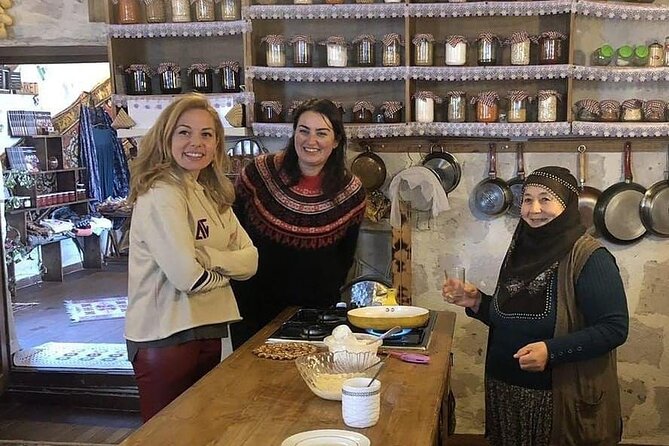
Food tastes better when you make it. This Cappadocia home cooking class happens in a family-run stone arch house, and you get a rare look at how village kitchens use what they grow. With pickup in Goreme and an English-guided session that lasts about three hours, it’s a hands-on break from the usual tour rhythm.
I like the focus on fresh, organic garden ingredients, because it changes how the meal tastes and how you understand Turkish cooking. I also like the way the family pulls you into their daily life, not just a scripted cooking demo.
One possible drawback: this experience needs good weather, so if conditions are rough you may be rescheduled or refunded. Also, 3 hours goes by fast, so come ready to cook and eat, not to linger.
Key things to know before you go
- Stone arch house setting: a restored village home that feels warm and personal, not like a classroom
- Garden harvest included: you pick herbs and vegetables to use right in your dishes
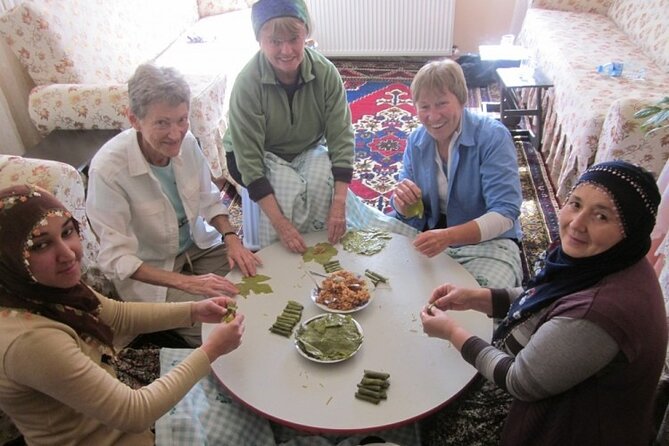
- Hands-on cooking time: you’ll prepare multiple courses, so you leave with real skills, not just recipes
- Small group size (max 12): easier questions, more space at the station, and a calmer experience
- A meal you build yourself: you cook soup, entrée, main, and dessert, with tea along the way
- English support: the session is offered in English, and pickup helps you avoid logistics stress
Inside the restored stone arch home
Cappadocia has plenty of caves, hotels, and tour buses. This experience keeps you closer to everyday life by cooking inside a traditional stone arch house that has been lovingly restored. You arrive to a family-run home cooking school vibe, the kind where things feel lived in, not staged.
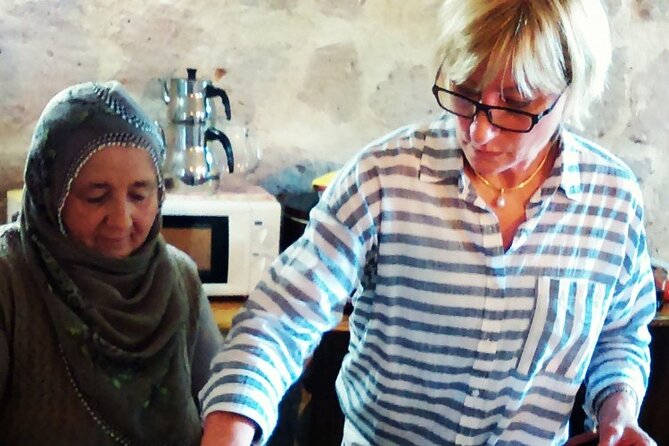
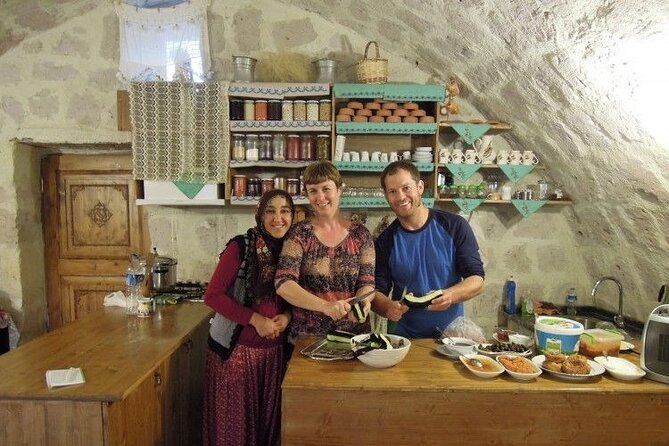
What that means for you is simple. You’re not just watching food happen. You’re learning how a village kitchen works, where ingredients matter, and where hospitality is part of the menu. The class is also capped at 12 travelers, so it doesn’t turn into a crowded kitchen scramble.
Time-wise, plan for about 3 hours total. That’s long enough to go from ingredients to finished courses, but short enough that you should expect an efficient pace. If you love kitchens and you can handle a little bustle, you’ll enjoy this format. If you prefer slow, museum-style pacing, this may feel like it moves quickly.
You can also read our reviews of more tours and experiences in Goreme.



Pickup, language, and how the day flows
This is set up to be easy to plug into your Goreme visit. Pickup and drop-off are included, and the activity is near public transportation. You’ll also get a mobile ticket, and the class is offered in English.
The meeting point is handled in a practical way. You’ll either be given the exact address or told to choose a known place in the area. Either way, you’re not stuck trying to figure out where a private home cooking school hides on a side street.
Because the session is guided in English, you can actually learn what matters, not just copy what you see. I like that you’ll get context about village traditions and daily life as you cook. That turns the class into more than food. You learn how people think about seasons, garden produce, and hospitality.
Also, small detail that can matter more than you expect: service animals are allowed. That can make the experience easier for travelers who need it.
Garden harvest: the ingredients set the mood
One of the best parts is the start. Before you cook, you’ll be introduced to the organic garden and then pick fresh vegetables and herbs to use in your meal. This is the kind of step that changes how you taste later.
Why it works: when you pick the herbs yourself, you notice flavors you might normally miss. The class emphasizes natural, organic fruits, vegetables, and spices farmed in their garden, so the meal is built around freshness rather than packaged shortcuts.
You can treat this like a mini orientation to village farming:
- what grows locally
- how herbs and vegetables show up in everyday dishes
- how spices are used to build flavor fast in a home kitchen
And yes, you’ll end up with dirt-free cooking gear if the host is organized. But still, wear shoes that can handle a little ground walking. Goreme is not always the smoothest terrain, and you want to feel comfortable when you’re transitioning from garden time to the kitchen.
What you’ll cook: courses that actually teach you
This class is structured as a true meal, not a few sample bites. You’ll cook and eat multiple courses: soup, entrée, main meal, and dessert, plus snacks and traditional Turkish tea during the session.
The sample menu includes:
- Dessert: Kadayıf
- Main: Karnıyarık
- Starter: Yaprak Sarma
- Starter: Salata
- Main: Mantı
- Starter: Pilav
- Starter: Börek
Here’s what those dishes mean in plain terms, and why they’re good choices for a cooking class.
Soup and starters that set flavor
You may make red lentil soup, and it’s a classic comfort base in Turkish home cooking. Lentils cook into a thick, warming dish that tastes simple but can be very well balanced with spices.
From the menu, you might also cook:
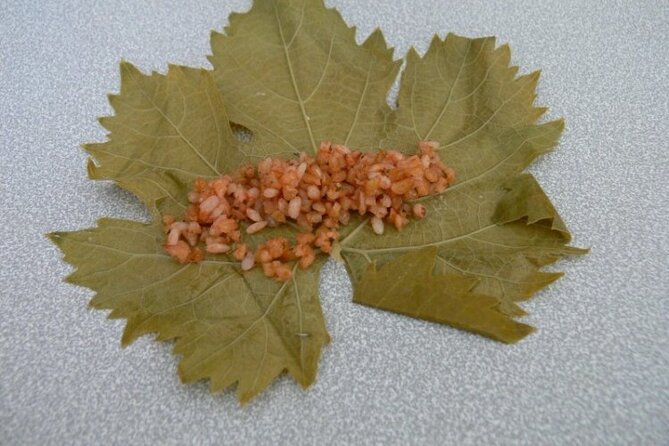
- Yaprak Sarma, grape leaves typically stuffed with a seasoned filling
- Salata, a fresh salad that helps cut through heavier dishes
- Pilav, rice pilaf that brings comfort and texture
- Börek, a pastry dish that often uses layers and a savory filling
In a short class, starters are the teaching engine. They help you understand how herbs, spices, and basic cooking methods show up across the meal.



Entrées and mains you can recognize at a glance
Karnıyarık is often described as stuffed eggplant. In other words, it’s the kind of dish you’ve probably seen on Turkish menus, and now you get to understand how the flavors work together.
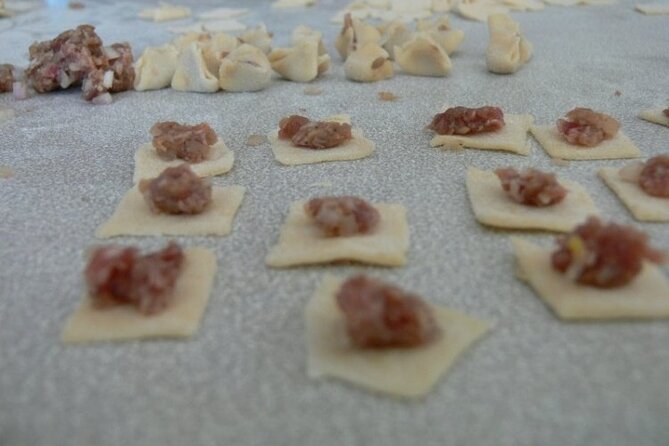
Mantı is Turkish dumplings. Even if you’ve had dumplings before, Turkish mantı tends to be its own experience, often served with a sauce and toppings.
The best part is that these mains are not just “food.” They’re built to be made in a group setting, so you’re actively participating rather than standing aside.
Dessert that ties the meal together
Kadayıf is a famous Turkish dessert made from shredded pastry and usually topped with nuts or syrup. It’s sweet, fragrant, and perfect for finishing a class meal.
One review detail that gives me confidence in the dessert approach is that the kitchen can use their own honey from hives. If honey shows up for you, it’ll taste less like a generic syrup and more like a local ingredient story.
Turkish tea, snacks, and the meal you helped create
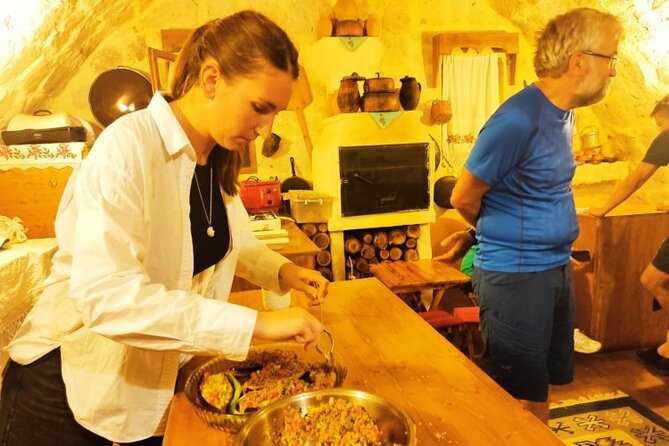
This isn’t a class where you sample one spoonful and go. You’ll enjoy your finished meal at the end, with traditional Turkish tea during the session and coffee or tea included, plus snacks.
For me, the value here is psychological. Cooking can be tiring, and the payoff matters. When you sit down to eat what you made, it turns into a real memory. That’s also when conversation gets easier. You’ll likely talk with the family about their village life and traditions while everyone is eating.
Also, the hosts have a reputation for warm welcome that goes beyond a polite smile. One traveler even noted that grandma gave them a Turkish name. You might not get that exact moment every time, but it hints at the kind of human connection this class is designed to create.
Vegetarian options: ask clearly, and you’ll be in good shape
If you’re vegetarian, don’t assume you’re out of luck. At least some sessions have accommodated vegetarian preferences. That means it’s worth mentioning your diet clearly when booking or when you confirm.
How to make this smoother for yourself:
- tell them your vegetarian needs up front
- ask what dishes can be adjusted
- be ready for the possibility that you might get a revised version of some menu items
Because the meal is prepared in a home kitchen, flexibility is often possible. Just don’t wait until the day-of to clarify, especially with a small group size.
Price and value in a 3-hour, all-in meal class
At $114.39 per person, this isn’t the cheapest activity in Goreme. But it also isn’t just a cooking demonstration. You’re getting:
- a 3-hour guided class
- pickup and drop-off
- a full meal, including soup, starters, mains, dessert
- coffee and/or tea plus snacks
- products for cooking
- garden harvesting
So the real question is value per hour and value per meal. This class replaces a normal meal out, and it reduces the work of booking and transporting yourself to a private home space. If you’ve paid for cooking classes in other countries, you’ll recognize that the expensive part is often the instruction plus the ingredients plus the setting. Here, those pieces are bundled, and you’re paying for a family-run experience, not a factory-style kitchen.
For best value, pair this with an otherwise planned day in Goreme. Don’t schedule it right before a long transfer day unless you know pickup times work with your itinerary. You want to arrive with energy and appetite.
Who this experience fits best
This is a good match if you:
- want hands-on learning, not just photos
- like family-run experiences where you can ask questions
- enjoy Turkish comfort food and home-style cooking
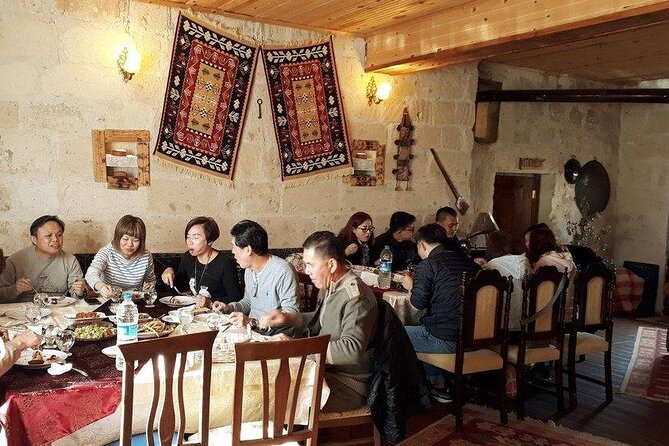
- want a small-group setting with a maximum of 12 people
It’s also a solid option if you’re tired of being herded from one viewpoint to the next. The class gives you a different kind of Cappadocia story, one told through food, seasons, and daily routines.
If you hate cooking smells or you’re very sensitive to kitchen heat, this might be less fun. But for most people, the payoff is the moment you taste a dish that you helped make.
A couple of practical considerations before you book
Weather matters here. The experience requires good weather, and if it’s canceled due to poor weather you’ll be offered a different date or a full refund. Because of that, I recommend booking with enough flexibility in your schedule so a reschedule is easy.
Also, group size is small, but that doesn’t mean it’s private. If you want a silent, heads-down cooking retreat, you may find the conversational, family-style vibe a bit lively. Bring curiosity instead of expecting a quiet studio.
Finally, accept the pace. You’ll cook multiple courses in about three hours. That’s part of the fun, but it’s not the right choice if you’re looking for slow, step-by-step mastery of every technique.
Should you book the Cappadocia Home Cooking Experience?
I think you should book this if you want a hands-on Turkish meal in a real village home, with fresh garden ingredients and enough time to actually cook and eat. The combination of pickup, English guidance, small group size, and full meal value makes it practical, not just charming.
Skip it only if you’re highly weather-sensitive, prefer large-group tours for social energy, or want a more instructional, textbook-style class with slower pacing. If that sounds like you, you might feel rushed.
For everyone else, this is the kind of experience that gives you more than a taste. You leave with a sense of how Turkish home cooking works, and you get to eat the result right away, which is honestly the best kind of souvenir.
FAQ
How long is the Cappadocia home cooking experience?
It runs for about 3 hours.
Is pickup and drop-off included?
Yes. Pickup and drop-off are included.
What language is the class offered in?
The experience is offered in English.
What is the maximum group size?
There is a maximum of 12 travelers.
What food is included?
The experience includes lunch or dinner, snacks, and coffee and/or tea. You’ll also cook a meal that includes soup, entrée, main meal, and dessert.
Is free cancellation available?
Yes. You can cancel up to 24 hours in advance for a full refund, and the experience also requires good weather, with refunds or alternative dates if it’s canceled due to poor weather.
More Tour Reviews in Goreme
Not for you? Here's more nearby things to do in Goreme we have reviewed




Cappadocia Cooking and Food Tours, compared.
 ★ 4.5Cappadocia traditional cooking with ChefFrom $3566 reviews
 ★ 5.0Cooking Class at Exclusive Kings ValleyFrom $12954 reviews
 ★ 5.0Cappadocia Cooking ClassFrom $17629 reviews
Evening Cooking Class with Hotel TransferFrom $1304 reviews
 ★ 5.0Private Cappadocia Food and Culture Tour: Turkish Cooking ClassFrom $2803 reviews
Browse the lists this tour appears in