

Reviewed · WORKSHOPS
Cappadocia Cooking Class
Cooking in Cappadocia gets real fast. This class pairs a local market stop with a home-kitchen meal you actually help make. I love the free hotel pickup and drop-off plus the chance to learn from a family host, not a stagey demo. The main thing to consider is that hands-on cooking can vary, depending on the host and how busy the kitchen is.
You’ll start with a short town run and then move to the cooking space, where the day turns into chopping, mixing, and tasting. The groups are small, capped at 6 travelers, and English is supported with a local interpreter. If you’re expecting a strict recipe lab where everyone cooks every step, go in with flexible expectations.
For me, the best part is the social glue: the guide and host trade stories while you work. On some sessions you may even touch bread-and-heat techniques like using a tandoor oven, and the table talk can be as memorable as the food.
Key highlights worth clocking
- Free pickup and drop-off across key towns like Göreme, Avanos, Uçhisar, Ortahisar, Ürgüp, and more
- Small group size with a maximum of 6 travelers, so you get real interaction
- 3-course lunch or dinner with water plus black tea or coffee included
- Market time in Ürgüp before you cook, so ingredients and local rhythm make sense
- Local hosts and guides by name, including guides like Kadir, plus hosts such as Ozgul, Nihat, and others (varies by date)
A 4-hour cooking break with lunch or dinner timing that works
Cappadocia is full of big-ticket sights, but this is the opposite kind of activity. Instead of chasing views all day, you get a half-day rhythm focused on food, people, and hands-on time in a home-style kitchen.
You can choose a morning lunch or afternoon dinner class. The lunch pickup is around 10:00 AM for a session that ends with a drop back to your hotel after the meal. The dinner version starts later, with pickup around 4:00 PM. Either way, you’re back at your base before the day goes fully sideways.
One practical advantage: the tour length is listed as about 4 hours, but your real experience may stretch a bit, especially if conversation runs long or the group is small and everyone is chatting. I’d plan for a half-day chunk, not a rushed stop.
A few more Goreme tours and experiences worth a look
Pickup in Cappadocia, and why the towns matter
The pickup coverage is a big deal here. You’re not expected to meet in a far-off spot. The class offers free pickup and drop-off for hotels in Göreme, Avanos, Uçhisar, Ortahisar, Çavuşin, Ürgüp, Mustafapaşa, Ayvali, and Nevşehir.
That matters because Cappadocia driving can be slow. Distances look short on a map, but valleys and winding roads eat time. With pickup, you can show up fed, calm, and ready to cook instead of playing taxi math.
Language support is also built in. The experience includes a local interpreter, and the class is offered in English. In real life, the interpreter can be the difference between watching ingredients go by and actually understanding what you’re making and why it matters.
The Ürgüp market stop, where your meal starts forming
Before cooking, you’ll do some shopping in Ürgüp. This is one of those parts that sounds simple, but it changes how you see the rest of the experience.
You’ll get a chance to spot typical ingredients for Turkish meals and learn what’s common in local kitchens. It’s not just a shopping chore. It’s the bridge between market shelves and your cutting board. You’ll see things like fresh greens used in salads, pantry items for desserts, and vegetables that become stews and fillings.
This is also where I’d pay attention to pace. You’re going to cook right after, so wear comfortable shoes and keep your plan light. I recommend bringing a small bag you can carry easily during the market stop, since you’ll likely want to keep bottles and personal items under control.
Cooking at a host house, what to expect step-by-step
After the shopping, you go to the cooking location with a local host. The tour description says a host house cooking class experience with a local cook. Some sessions also use a dedicated venue, and you may see different setups depending on the host and day.
Either way, the pattern is similar:
- you arrive and meet the host
- you help prep ingredients
- you learn how dishes come together
- you eat the meal you helped make
- you head back to your hotel
From what I’ve seen in the program details and what people wrote about their experiences, hosts can be very hands-on with guidance. Some classes include moments like learning how to put bread into a tandoor oven, which is both practical and memorable. Other sessions sound more like a collaborative cooking evening where the host leads key parts and you assist with the active steps, like chopping and stirring.
One review-style reality check to keep in mind: at least one person felt it was less of a full individual cooking class because some ingredients were pre-cooked and the host ran bigger pots. That doesn’t mean the meal isn’t delicious or the experience isn’t authentic, but it does mean you should set your expectation to: you are helping, tasting, and learning, not necessarily running every stove burner solo.
The 3-course lunch or dinner, and how the menu teaches flavors
You’ll eat a 3-course meal that’s designed around traditional Cappadocia and Turkish home cooking. Lunch or dinner includes seasonal salads, a stew-style main, stuffed items, a Turkish ravioli dish, and a regional dessert.
Here’s the sample menu structure you can expect:
- Starters (salads and stuffed grape leaves)
Seasonal salad, purslane salad, minced seasonal vegetable salad, and stuffed grape wine leaves
- Main courses
Stewed vegetables, plus a meat stew with vegetables, and Turkish ravioli
- Dessert
A Cappadocian dessert made with flour, grape molasses, and butter (or sunflower oil)
Even if your exact menu shifts slightly by season or host, the lesson stays consistent: Turkish meals balance acidity, greens, warm stews, and sticky-sweet notes from ingredients like grape molasses.
Purslane salad is a good example of the kinds of flavors you might not get elsewhere. It’s tart, crisp, and very “local pantry” in spirit. Stuffed grape leaves and ravioli also make sense together, because they teach the logic of fillings, rolling, and using sauces to bring everything together.




Drinks, snacks, and the table talk component
You’ll have water, plus black tea or coffee included. Soda and alcohol are not included in the tour listing.
That said, some hosts and groups talk about enjoying local wine during the evening. If you want wine, treat it as a “maybe from the host” rather than a guaranteed included item. The tour does state a minimum drinking age of 21, which matters if you’re traveling with family or multi-generational friends.
The meal structure is followed by conversation. This is where the guide earns their paycheck. People mentioned guides like Kadir as being informative and easy to talk with, and that kind of explanation makes the dishes click. When someone tells you what’s in the grape molasses or why a salad has multiple greens, you remember the meal longer than you would from a restaurant plate.
Snacks and beverages are included, so you’re not left hovering between courses. Still, if you’re sensitive to meal timing, eat something light before pickup so you’re comfortable during the pre-cooking market portion.
Local names and what they signal about the experience
One of the nicest signs here is how specific the people giving feedback sounded about their hosts and guides. That’s not just nice storytelling. It suggests continuity in the human side of the experience.
You may meet a guide like Kadir, who has been described as both knowledgeable and very communicative during pickup, translation, and the meal. Hosts you could encounter include people such as Ozgul, Basa, Nihat, and Gul, with different cooking styles and kitchen setups.
What’s consistent across these variations is hospitality. People talked about being welcomed into a home, being involved in the kitchen, and having natural conversation that felt like cultural sharing rather than a scripted performance. That’s the value you’re paying for, not just the food.
Group size, individual cooking, and the one drawback to plan for
This activity caps at 6 travelers, which is excellent if you want to ask questions and actually get attention from the host. Smaller groups also make it easier to swap tips, taste as you go, and keep the energy friendly.
Still, your hands-on level can vary by host and by how much prep was done earlier. Some reviews mention dancing and playful kitchen moments, others mention a more coordinated assist role where the host prepared key components and you helped with chopping or stirring.
If you want maximum hands-on cooking, arrive curious and ask early how the class will flow. A simple question like whether you’ll handle the dough, the stuffing, or the cooking steps can clarify things fast. Then you can lean into the tasks that are available.
Price and value for $176.61 per person in Cappadocia
At $176.61 per person, this isn’t a budget activity. The key is understanding what’s bundled into that price.
You’re getting:
- free pickup and drop-off from many towns
- a 3-course lunch or dinner
- water plus black tea or coffee
- an interpreter and English support
- market time in Ürgüp
- a small group experience, max 6
When you put it together, you’re paying for access to a local host kitchen plus guided cultural context. If you were to recreate that experience on your own, you’d spend time coordinating transport, finding a legit home-style setup, and hiring language help.
Is it worth it? If your travel style includes learning through doing, yes. If you only want a quick meal with minimal time commitment, you might feel this is too long or too guided for the money. The best fit is someone who loves food, likes conversation, and enjoys the slower pace of cooking as a way to understand a place.
Who should book this Cappadocia Cooking Class (and who might skip)
I’d book this if:
- you want a more intimate cultural experience than a regular restaurant dinner
- you like hands-on learning, even if it’s not every single step
- you’re okay with a half-day commitment that combines market time and cooking
- you want small-group attention and translation support
- you’re traveling with friends or family who will enjoy a shared table moment
You might skip if:
- you’re only interested in cooking technique and want a full individual workstation for every participant
- you prefer quick, high-variance sightseeing stops and dislike waiting for shopping or meal pacing
- you expect alcohol to be included automatically (it is not included)
For families, children must be accompanied by an adult, and that’s a helpful constraint to know. The vibe can feel welcoming and playful, including getting kids involved when a host is comfortable doing so. But keep it grounded: the experience is structured around cooking and meals, not kid-only entertainment.
Small logistics that help your day go smoothly
A few practical notes will make this day easier:
- Wear comfortable shoes for the market stop and kitchen prep. You’ll likely stand and move more than you expect.
- Bring a light layer. Kitchens can swing between warm and cool, and tea breaks can feel chilly if you get sweaty.
- Keep an eye on meal timing. You’ll eat what you help make, so plan your other activities around it.
- Expect a mix of chopping and stirring plus guided explanation. It’s a learning experience first, even when it’s playful.
Because pickup zones cover many towns, confirm that your exact hotel is within the listed pickup areas. The experience states coverage for a long list of towns, so it’s likely you’re included, but it’s still worth double-checking.
Should you book this cooking class?
If you want an authentic-food moment that feels like joining a family table, this is a strong choice. I like that it’s small, that you get market context in Ürgüp, and that the program includes interpreter support plus a real 3-course meal.
Book it if your goal is culture through cooking, not just a photo-friendly dinner. Consider skipping or choosing a different format if you want a highly technical cooking bootcamp where every person independently executes every recipe step with no pre-prep.
My final take: this is one of those Cappadocia experiences where the value comes from people, not just food. If that matches your style, it’s an easy yes.
FAQ
Is lunch or dinner available for this Cappadocia cooking class?
Yes. You can choose either a morning or afternoon departure. Pickup for the lunch class is at 10:00 AM, and pickup for the dinner class is at 4:00 PM.
Where does pickup and drop-off happen?
Free pickup and drop-off is offered for hotels in Göreme, Avanos, Uçhisar, Ortahisar, Cavusin, Ürgüp, Mustafapaşa, Ayvali, and Nevşehir.
How long is the cooking class?
The duration is listed as approximately 4 hours.
What food is included?
You’ll get 3 courses of lunch or dinner, including starters, main dishes, and dessert.
What drinks are included?
Water is included, along with black tea or coffee.
Is alcohol included?
Alcoholic beverages are not included. The minimum drinking age is 21.
Is the class offered in English?
Yes, it is offered in English and includes a local interpreter.
Is there a group size limit?
Yes. The tour/activity has a maximum of 6 travelers.
Are kids allowed?
Children must be accompanied by an adult.
Is free cancellation available?
Yes. You can cancel for a full refund up to 24 hours in advance of the experience’s start time.
More Workshops & Classes in Goreme

More Tour Reviews in Goreme
Not for you? Here's more nearby things to do in Goreme we have reviewed



Workshops, compared.
 ★ 4.9Sand-Brewed Turkish Coffee WorkshopFrom $12745 reviews
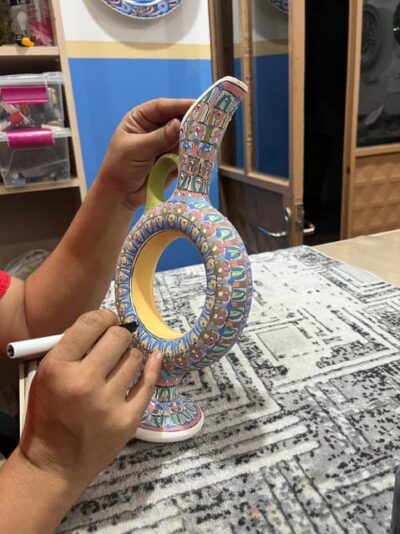 ★ 4.8Avanos: Pottery Workshop with Clay Making ExperienceFrom $22233 reviews
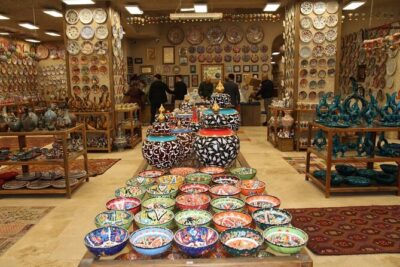 ★ 5.0Cappadocia Pottery Workshop ClassFrom $10191 reviews
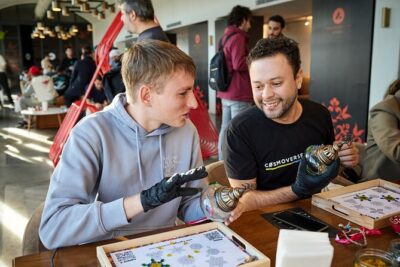 ★ 5.0Turkish Mosaic Lamp Workshop in Göreme – All IncludedFrom $34139 reviews
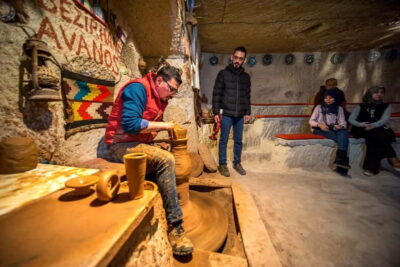 ★ 4.6Authentic Pottery Workshop ExperienceFrom $975 reviews
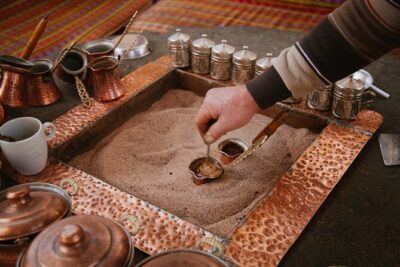 ★ 5.0Sand-Brewed Turkish Coffee Workshop in CappadociaFrom $1564 reviews
Turkish Coffee Workshop on Sand & Fortune Telling + Gift SetFrom $2861 reviews
★ 5.0Sand-Brewed Turkish Coffee Workshop in CappadociaFrom $1564 reviews
Turkish Coffee Workshop on Sand & Fortune Telling + Gift SetFrom $2861 reviews
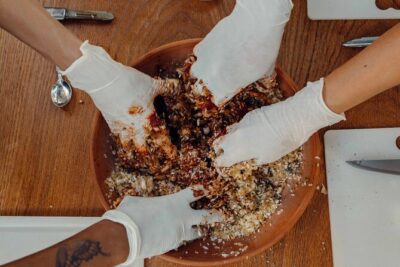 ★ 5.0Cooking Class at Exclusive Kings ValleyFrom $12954 reviews
Browse the lists this tour appears in