

Reviewed · WORKSHOPS
Private Cappadocia Food and Culture Tour: Turkish Cooking Class
Cooking in a Cappadocia home feels personal. What makes this tour special is the private food and culture focus, centered on Ayvali village, where you prepare an Anatolian meal with a villager inside their family home. I love that the experience is hands-on, not just a demonstration, and I also love the way the family welcomes you into their daily rhythm, not a staged production.
Just note one practical thing before you book. At $280 per person for about four hours, it is a splurge compared with group tours, and the time is concentrated. Also, while the plan includes wine cave tasting, the included items specifically call out lunch and Turkish coffee, so I’d confirm what is covered for any additional drinks.
Key Things You Will Remember From This Cappadocia Cooking Class

- A true family-home cooking class with Tolga Duran and his family welcoming you into their space
- Village-meal preparation where you help make dishes like yaprak sarması vine-leaf rolls and börek pastries
- Lunch that often exceeds what you cook, with extra specialties added to the table
- Cappadocian wine cave tasting as part of the food story, not a random stop
- Turkish coffee and local customs at the kiraathane, the male villagers’ meeting place
- Private transport and one-guide attention, so questions and pacing stay in your hands
Why Ayvali Village Cooking Beats Another Sight-Seeing Stop
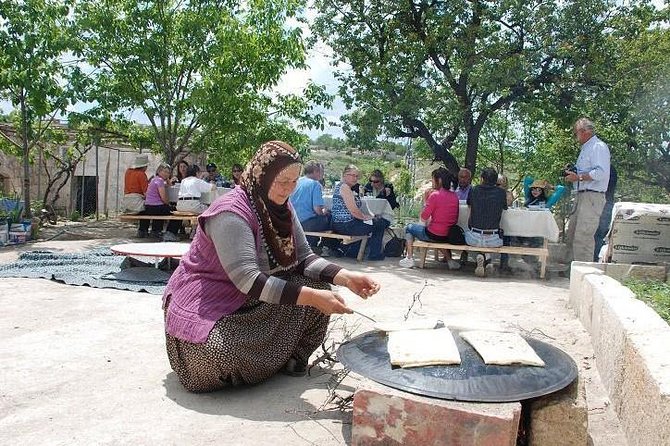
Cappadocia is packed with options, but food tours can go two ways. One option is you eat interesting things, take photos, then move on. The other option is you learn why the food tastes the way it does, and how people actually live day to day.
This tour leans hard into the second option. You head from Urgup to Ayvali village for a private food and culture experience tied to a real household. The cooking part is run by Tolga Duran and his family, and the vibe is warm and straightforward. In the best way, it feels like visiting people who cook often, not hosting tourists for a single afternoon.
I especially like that you get both sides of the meal. You help prepare typical dishes, then you also sit down to eat a full spread that often includes additional specialties beyond what you made. That matters because many cooking classes only teach, then send you away on an empty stomach. Here, the teaching turns into the lunch, and you get to taste what an Anatolian table actually looks like.
You can also read our reviews of more food & drink experiences in Urgup

Getting to Urgup and Timing Your 9:00 Start
The experience begins at 9:00 am, with hotel pickup and drop-off included. That pickup detail is more important than it sounds. Cappadocia sites can be spread out, and getting there on your own can turn a food morning into a navigation workout. Here, private transport does the heavy lifting, so you can stay focused on the day’s plan.
You should expect about 4 hours total. That is a compact window, which is great if you want a meaningful cultural moment without sacrificing the rest of your itinerary. It also means you should come ready to eat and learn, because the schedule is built around cooking, lunch, wine tasting, and coffee customs within that single block.
Language is English, which keeps the cultural explanations clear. And because it is a private tour, only your group joins you, so you get more space for questions and less time waiting for others.
Inside the Family Home: Hands-On Anatolian Cooking With Tolga Duran
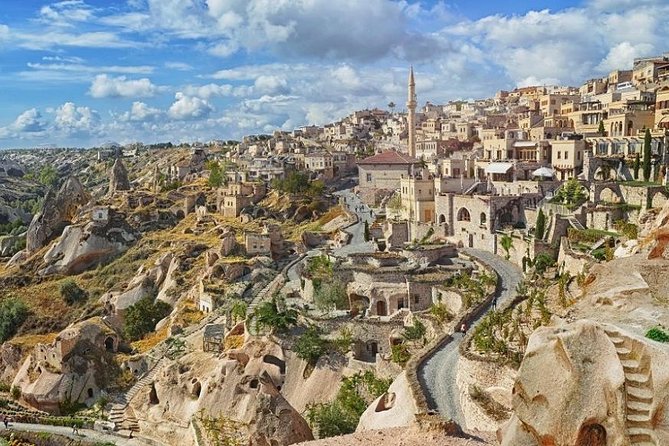
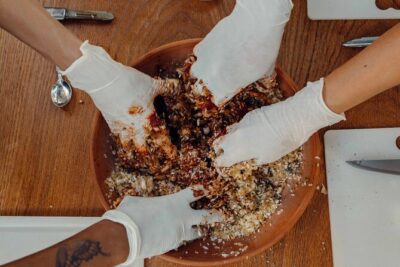
The core of this experience is the cooking class inside a family home in Ayvali. This is where the tour earns its price tag. You are not watching someone else do all the work. You are helping prepare a meal with a villager, guided by Tolga Duran and his family.
In practice, you can think of it like this: you will learn the basics of how local ingredients and techniques come together, then you get the chance to work with the food yourself. Depending on the session, you will help make dishes such as yaprak sarması (vine-leaf rolls) and börek pastries. One thing I like is that you are taught in a way that fits how people actually cook, not just how a chef performs for cameras.
From the way the class is described, you typically prepare three dishes with the family (with Tolga Duran, plus his son, wife, and mother involved in the process). That family involvement is a big deal. It is not only educational, it is social. You see different roles, from explaining to serving, and you get a sense of how food is tied to family work and conversation.
What to pay attention to while you cook
If you want to take the experience home, focus on small moments:
- How the family describes the dish, step by step
- How they judge doneness and texture without fussing with “perfect”
- Which flavors they treat as essential, then which ingredients they adapt
This is the kind of lesson that makes you feel more confident cooking later, because you are not just collecting recipes. You are understanding decisions.
Lunch in Ayvali: Yaprak Sarması, Börek, and That Extra Food Factor
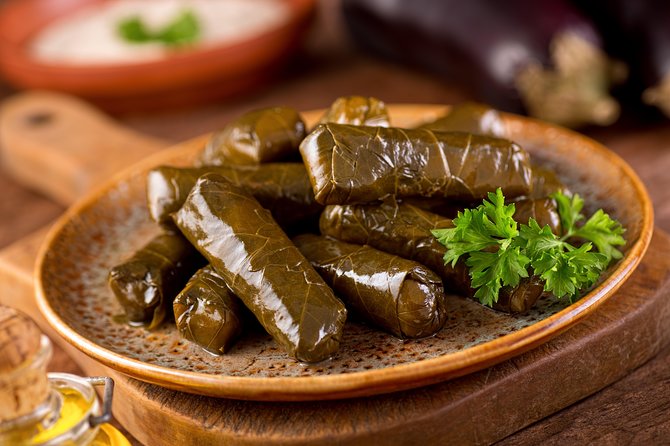
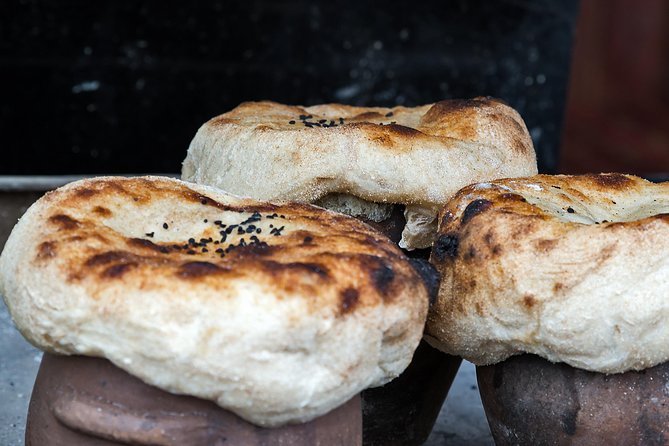
After the cooking, lunch turns into the main event. You eat what you helped create, plus additional specialties that build a fuller Anatolian table. The dishes highlighted include vine-leaf rolls (yaprak sarması) and börek pastries, but the overall meal often contains more items than what you personally prepared.
I love that structure because it keeps the lunch from feeling like a reward you earn. It feels like part of the same story. You make the food, you learn about it, then you taste it in a proper meal setting, with the family sitting in the background of the experience.
One detail that shows up strongly in past experiences is the quantity. The food is described as delicious and substantial, sometimes even feeling like too much for a small group. That is not a complaint. It just means you should plan your morning with an appetite and an open mind. If you arrive hungry, you will leave happy, not stuffed and frustrated.



Quick practical tip: ask what to try next
Since the lunch is a spread, ask a simple question like what is best paired with the rest of the dishes. You might get guidance on order of bites, or how each item differs. Those small pointers make the meal feel curated, even when it is just the family doing what they normally do.
Wine Cave Tasting and the Story Behind Cappadocian Coffee

Food tours in Cappadocia can feel like they stop at lunch. This one keeps going, and that matters.
Sampling Cappadocian wines in a traditional wine cave
You will also sample Cappadocian wines in a traditional wine cave. The wine cave setting gives the tasting extra context, because you are experiencing it in the environment where the product is part of a longer process. The tour plan clearly includes this tasting, but the “included” list only explicitly names lunch and Turkish coffee. So if you have strong preferences or you want a clear idea of total cost, it is smart to ask what the wine tasting includes.
Turkish coffee and local customs at the kiraathane
Next comes Turkish coffee and an explanation of local customs at the kiraathane, the male villagers’ meeting place. This is a cultural anchor that you would miss if you only focused on landmarks.
Coffee here is not a caffeine stop. It is part of how village life connects people. I like that the tour treats this like a real cultural moment. You are not just sipping something sweet. You are learning what the meeting place means and how local social habits work.
If you care about culture as much as food, this segment is a strong payoff. It makes the meal feel grounded in how people spend their afternoons and share news.
What Makes It Worth $280 Per Person (And When It Might Not)
At $280 per person for about four hours, you are paying for three big things: privacy, transportation, and a structured cultural program that includes lunch.
Here is what stands out as value:
- Hotel pickup and drop-off saves time and reduces hassle
- Lunch in Ayvali village is included, and it is described as substantial
- Turkish coffee is included
- Private transport and undivided attention from the guide means fewer delays and more conversation
- A real family-home experience beats generic cooking demonstrations
Now for the other side. The price is not built for budget travel. If you are trying to keep costs low, group tours will often be cheaper. Also, the day is short. You are not getting a full-day village immersion, so if you want lots of extra stops and slow wandering, this might feel tight.
Another consideration is food and drink expectations. The plan includes wine cave tasting, but the included list does not spell out additional drinks beyond Turkish coffee. If you drink more than the typical tasting amount, you may want to clarify what you are paying for.
Dietary requirements
You can advise dietary requirements when booking. Since the tour involves home cooking and a family table, this is the right move if you need adjustments. Don’t wait until the last minute, because substitutions can take planning in a kitchen.
Who This Tour Fits Best

This is a great fit if you want to learn through doing, not just watching. It is ideal for:
- People who like hands-on cooking experiences
- Food lovers who want regional dishes like yaprak sarması and börek
- Travelers who enjoy meeting locals in their actual routines
- Anyone who values private time and guide attention
It might be less ideal if you want a “see everything” day with lots of stops. This tour is purpose-built for food and culture, and it stays focused on that goal.
Also, if you are the type who gets uncomfortable in homes with many family members around, you should know this experience is specifically about family hospitality. Based on the way it has been described, the atmosphere is welcoming, but it is still intimate and domestic.
Final Thoughts: Should You Book This Private Cappadocia Food and Culture Tour?
If you are deciding between a quick meal and a deeper cultural experience, I’d book this. The strongest reason is simple: you are not only tasting Cappadocia, you are participating in how the meal is made. The involvement of Tolga Duran and his family, plus the family-home setting, is the kind of experience that changes how you remember a place.
You should consider skipping only if your travel style is strictly budget first, or if you do not care about cooking or social customs. Otherwise, this tour is a smart way to spend a morning in Cappadocia, eat extremely well, and come away with stories you can repeat back home.
FAQ
Where does the tour take place?
The tour is based in Urgup, Turkey, and includes a visit to the traditional village of Ayvali in Cappadocia.
How long is the Turkish cooking class tour?
It lasts about 4 hours.
What time does it start?
The start time is 9:00 am.
Is hotel pickup and drop-off included?
Yes. Hotel pickup and drop-off are included.
What food is included during the tour?
Lunch in Ayvali village is included, and Turkish coffee is also included. The experience also includes preparing a typical Anatolian meal and sampling Cappadocian wines in a wine cave.
Can the tour accommodate dietary needs?
Yes, you can advise dietary requirements at the time of booking.
What is the cancellation policy?
You can cancel for a full refund up to 24 hours before the experience’s start time.
More Food & Drink Experiences in Urgup
More Tours in Urgup


More Tour Reviews in Urgup

Not for you? Here's more nearby things to do in Urgup we have reviewed


Workshops, compared.
 ★ 4.9Sand-Brewed Turkish Coffee WorkshopFrom $12745 reviews
 ★ 4.8Avanos: Pottery Workshop with Clay Making ExperienceFrom $22233 reviews
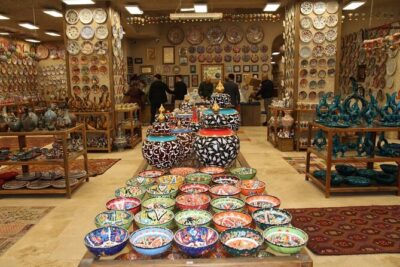 ★ 5.0Cappadocia Pottery Workshop ClassFrom $10191 reviews
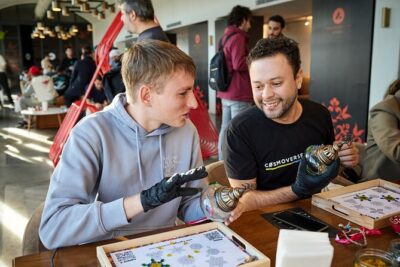 ★ 5.0Turkish Mosaic Lamp Workshop in Göreme – All IncludedFrom $34139 reviews
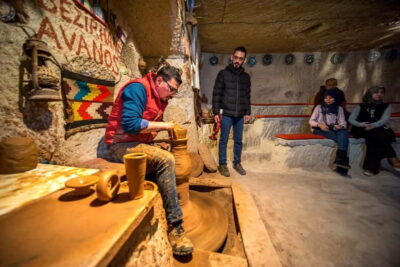 ★ 4.6Authentic Pottery Workshop ExperienceFrom $975 reviews
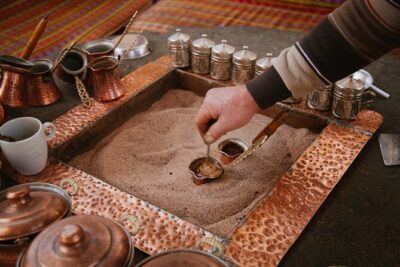 ★ 5.0Sand-Brewed Turkish Coffee Workshop in CappadociaFrom $1564 reviews
Turkish Coffee Workshop on Sand & Fortune Telling + Gift SetFrom $2861 reviews
★ 5.0Sand-Brewed Turkish Coffee Workshop in CappadociaFrom $1564 reviews
Turkish Coffee Workshop on Sand & Fortune Telling + Gift SetFrom $2861 reviews
 ★ 5.0Cooking Class at Exclusive Kings ValleyFrom $12954 reviews
Browse the lists this tour appears in