

Reviewed · CAPPADOCIA JEEP SAFARI TOURS
Goreme: Cappadocia Jeep Safari
This Jeep safari in Cappadocia hits the highlights fast. I like that it packs multiple valleys and a real sense of place into just 2 hours. You also get hotel pickup and drop-off, so you spend more time out there and less time figuring out transport.
My favorite part is the stop variety. You’ll move from the bird-related caves of Pigeon Valley to the stone-town feel of Ortahisar, then into valleys tied to local lore and geology. The only watch-out is that it’s not a full meal tour, and the ride is more about short viewpoint walks than long hikes.
If you want a quick, efficient safari loop with strong photo stops and explanations along the way, this is a good match.
Key highlights to look for on this Jeep Safari
- Pigeon Valley (Guvercinlik Vadisi), white-painted cave dwellings made to attract pigeons
- Ortahisar Castle panorama, with an outlook over fairy chimneys and even Mount Erciyes on clear days
- Stirrup Valley and its mineral springs, three sources emerging along the stream area
- Mustafa Pasa Village history, formerly a Greek town with local memory tied to names like Sinasos
- Red Valley colors and sunset potential, plus a possible hike around 5 km in the valley
- Love Valley context, you’ll hear about its reputation as part of the route
Why this 2-hour Jeep route is a smart first taste of Cappadocia
Cappadocia can feel like a buffet of viewpoints, and that’s exactly why a short Jeep safari works well. In two hours, you cover several different “styles” of scenery, without committing to a long tour day. The payoff is practical: if you only have a limited window, you still get variety.
I also like how the route is built around places with clear stories, not just pretty rocks. Pigeon Valley is tied to a farming-like reason (bird attraction), Ortahisar ties to town life and a castle-like rock, and Mustafa Pasa Village ties to the region’s cultural shifts. That turns your photos into context you can explain to friends later.
One more practical point: since food and drinks are not included, you’ll want to plan around that. If you’re sensitive to long hunger gaps, eat before you go, or bring a snack for after.
A few more Cappadocia tours and experiences worth a look
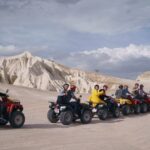


Pigeon Valley, white caves, and the surprising logic of birds
Pigeon Valley, also called Guvercinlik Vadisi, is one of those stops that sounds odd until you understand the purpose. Certain cave dwellings were painted white to attract pigeons, because their droppings were valuable. It’s a reminder that Cappadocia isn’t only about fantasy-shaped rocks, it’s also about how people survived and made use of what they had.
Even if you’re expecting more “storybook” formations, Pigeon Valley manages expectations in a good way. It’s described as lacking strange rock formations, but it makes up for that with beautiful stone houses and the sense of a working cave community.
There’s also a Roman-era layer to notice. The fairy chimneys to the west, east, and north of Uçhisar were hollowed out and used as graves during the Roman period. That detail gives you something to scan for while you’re moving around, not just taking a quick look and moving on.
What to do while you’re there:
- Watch for the white-painted cave dwellings. They’re the visual clue that explains the whole stop.
- Use the time to get a few steady photos, since short tours can be photo-friendly but time-limited.
Ortahisar Valley and the castle-like rock you can climb toward
Ortahisar is famous for the human side of Cappadocia. You get narrow streets, restored stone houses, and lovely churches, all with a lived-in feel. The town is also named for a castle-like rock formation, which has been restored and made accessible via a staircase to the peak.
The highlight here is the panorama. From Ortahisar Castle you can look out over fairy chimneys of Hallacdere, and on the right day you may see the snowy peak of Mount Erciyes. That’s the kind of view that makes you understand why people keep returning to this region.
There’s also a strong “pause and look” factor. Even if you’re not climbing far, the town itself gives you layers: stone, churches, and street angles that frame chimneys in a new way compared with larger open viewpoints.
Possible consideration:
- If stairs or hillier walking is tough for you, the castle access involves a staircase. You can still enjoy the town, but you’ll want to decide early whether that climb is for you.
Stirrup Valley in the in-between space, plus three mineral springs
Between Ortahisar and Uçhisar, you’ll pass through the Stirrup Valley area, and it’s highlighted for both natural and historical beauty. I like this stop because it feels like a “connector” valley. It’s not just one dramatic landmark, it’s a section of region that makes the geography click.
One very specific detail makes Stirrup Valley memorable: along the Stirrup Stream, parallel to the valley, there are three springs where natural mineral water emerges. The water is said to benefit recovery of digestion disorders and kidney diseases.
Now, a reality check. The tour presents these claims as local beliefs, not medical treatment. Still, as a cultural and curiosity stop, it’s great. You get to ask questions, see the source area, and learn how people relate to natural features beyond just views.
How to get value from this stop:
- Treat it as a “listen and look” moment, not a long break. You’re likely going to be moving through, so focus on what the guide explains about the springs.
- Take photos of the valley edges from the easiest viewing angles you can reach safely.
Mustafa Pasa Village, Sinasos, and the names that carry memory
Mustafa Pasa Village is described as a former Greek town. It was inhabited by Rums (Greeks) until 1924, and you’ll also hear it referred to locally as Sinasos, the Ottoman Greek residents name.
That name detail matters. It’s a small thing, but it signals how layered the region is. Rock formations get most of the attention in Cappadocia, yet the human history is part of what shaped these settlements and daily life.
This stop also brings you back to geology in a more dramatic way. Millions of years ago, volcanoes expelled tuff, a soft stone made from lava, ash, and mud. Erosion shaped it into the “fantasy land” rock formations you see turning every corner. A specific feature is mentioned: a high cliff of white tuff where thousands of pigeon houses were created.
I like thinking of this stop as the “why the chimneys exist” moment. Tuff is the raw material. Erosion is the sculptor. People are the ones who carved it into homes, churches, and pigeon houses.
What to watch for:
- The pigeon house areas carved into cliff faces. Even if you only get a short viewing window, try to spot the density and the way the cliff was used.
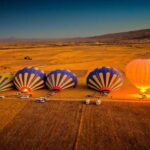
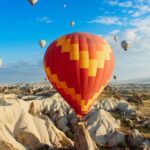
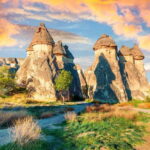
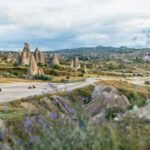
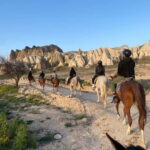
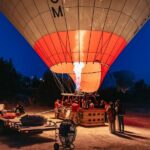
Red Valley’s color story, a realistic 5 km option, and sunset timing
The Red Valley is named for the colors of the rock. That sounds simple, but it’s the kind of detail that helps you read the scenery better. When you’re looking at Cappadocia, color is part of the geology, and geology is part of the story.
There’s an added practical note: it’s possible to hike about 5 km (around 3 miles) along the valley. That’s long enough to feel like an actual walk, but still short enough for many people to manage if they’re comfortable.
It’s also known as a great place to watch the sunset. If your tour includes time here in the late day, you’ll have a strong chance of getting that warm light that turns the red tones into the star of your photos.
One consideration: because this is a 2-hour Jeep safari, your time in each spot may be limited. If you want the full 5 km experience, you might find you have less time on-foot than you imagined. I’d treat the hike as optional, choose a shorter segment for good viewpoints, and save the longer walk for a dedicated hiking day if you can.
The Love Valley reputation, and how to look for the story while you move
The highlights mention learning the reputation of Love Valley. The key takeaway you can use on the ground is mindset: don’t just look for shapes, look for what the shapes are known for.
Even when your time is limited, you can still do something useful. Ask the guide what makes Love Valley stand out in the local story, then scan the rock forms with that lens. That turns a quick pass into a stop you remember, instead of a blur between photo locations.
If you’re the type who loves symbolism and local lore, this is the part that can add personality to your tour. If you’re only chasing the biggest photo angles, prioritize the valley viewpoints and use the lore as context.
Jeep pace, photo stops, and what the “basic but sufficient” service means
One of the reviews you can learn from says the service was basic and enough to get good photos in the Göreme valleys. I actually think that’s a fair expectation for a 2-hour format.
Here’s how to make it work for you:
- Be ready with your camera settings. Don’t waste time fumbling with menus.
- Pick your top two photo priorities. Then everything else becomes a bonus.
- If you want longer time on-foot, plan for that in advance. This tour is short, so your walking windows are likely brief.
At the same time, another review mentions a hyper friendly driver. That kind of human vibe matters in Cappadocia, because the best parts of the tour often come from the little explanations and how the driver times stops and routes to match what’s happening around you.
So I’d frame it like this: you’re not buying a slow, full-day wandering experience. You’re buying efficient access to multiple valleys with a guide who helps you understand what you’re seeing.
Price and value: is $165 per person worth it?
$165 for a 2-hour Jeep safari sounds like a splurge until you break down what you’re actually getting. You’re paying for transport in a region that’s spread out, plus a driver/guide, plus hotel pickup and drop-off. Those two items alone can save real time and reduce stress, especially if you’re staying in Göreme and don’t want to coordinate local rides.
You’re also not paying for food and drinks on this one. That keeps the tour cost focused on the ride and stops. If you eat elsewhere before or after, the price feels more reasonable because you control that part.
One more “value” angle: the tour includes skipping the ticket line. That matters when you have a short time window and want to stay on schedule.
Where the value may feel weaker:
- If you’re the kind of traveler who wants deep, extended time in one location, two hours may feel tight.
- If you hate any stairs or walking at all, plan for the possibility that you’ll have less flexibility.
Practical tips for your day
This tour asks you to bring your passport. That’s easy to handle, but don’t forget it, because it’s often the one item people assume they don’t need until the last minute.
Also, because food and drinks are not included, I recommend you treat this like a sightseeing block. Eat beforehand, and plan a proper meal right after. If you’re the type who gets hangry, a small snack can make the short ride much more enjoyable.
If you’re going for sunset, think about what you wear and how you’ll handle temperature shifts. Even when daytime feels mild, evenings can feel colder quickly in central Anatolia.
Should you book the Goreme Cappadocia Jeep Safari?
Book it if you want:
- A fast way to see multiple Cappadocia zones in 2 hours
- Guided context for places like Pigeon Valley, Ortahisar, and Mustafa Pasa Village
- Hotel pickup and drop-off that reduces logistics headaches
- Strong photo opportunities without committing to a full-day tour
Skip it if you want:
- A long, hike-focused itinerary with lots of time in just one valley
- Food included as part of the price
- A slow walking experience where you can linger for every viewpoint
If you’re balancing limited time with a desire to understand what you’re seeing, this is a solid value play. It’s efficient, it hits the key named stops, and it keeps the day moving so you can still enjoy Cappadocia on your own schedule afterward.
FAQ
How long is the Goreme Cappadocia Jeep Safari?
The duration is 2 hours.
What does the tour cost?
The price is listed as $165 per person.
Where does the tour start, and do I get pickup?
It includes hotel pickup and drop-off.
Is a guide included?
Yes. The tour includes a driver/guide.
Are food and drinks included?
No. Food and drinks are not included.
What stops are included on the route?
The highlights include Pigeon Valley, Ortahisar valley, the history of Mustafa Pasa Village, and the reputation of Love Valley.
Is there any hiking involved?
There is an option to hike about 5 kilometers (about 3 miles) along Red Valley.
What should I bring?
You should bring your passport.
What is the cancellation policy?
Free cancellation is available up to 24 hours in advance for a full refund.
Can I pay later?
Yes. The option says reserve now & pay later, so you can book your spot and pay nothing today.
More Safari Adventures in Cappadocia


More Tour Reviews in Cappadocia
Not for you? Here's more nearby things to do in Cappadocia we have reviewed


Cappadocia Jeep Safari Tours, compared.
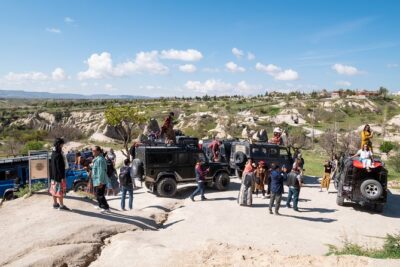 ★ 4.9Sunrise and Sunset Jeep SafariFrom $39275 reviews
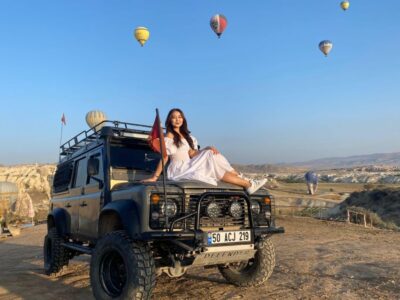 ★ 4.9Scenic Valley Tour in a JeepFrom $57206 reviews
★ 5.0Sunrise and Sunset Jeep SafariFrom $96169 reviews
★ 4.9Scenic Valley Tour in a JeepFrom $57206 reviews
★ 5.0Sunrise and Sunset Jeep SafariFrom $96169 reviews
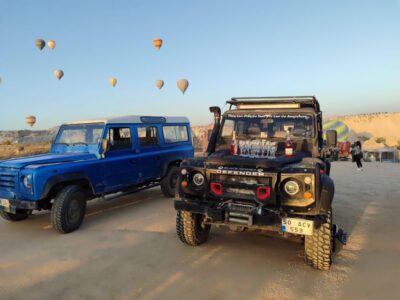 ★ 4.8Jeep Safari with Mini Underground CityFrom $12100 reviews
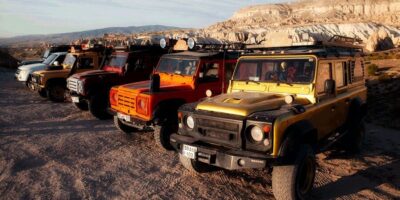 ★ 4.6Cappadocia Jeep Safari TourFrom $10661 reviews
 ★ 5.0Sunset Jeep Safari in CappadociaFrom $9051 reviews
 ★ 4.8Private Jeep Tour with Sunrise or Sunset OptionsFrom $3547 reviews
 ★ 4.5Cappadocia Jeep Safari – 2-Hour Sunrise or Sunset AdventureFrom $3438 reviews
Browse the lists this tour appears in