
Reviewed · AVANOS POTTERY WORKSHOP TOURS
CAPPADOCIA : Traditional Local Carpet Weaving Tour
Carpets tell stories you can make. In Cappadocia, carpet weaving becomes a hands-on lesson in two focused hours.
I love how the guide ties designs to centuries of movement, from Central Asia to the Ottoman world, so the patterns feel meaningful, not random. I also love the practical part, where you get to try creating your own design while seeing the work up close.
One possible drawback: this is a wool-based craft, so if you have severe wool allergies, you should skip it.
Key highlights worth your time
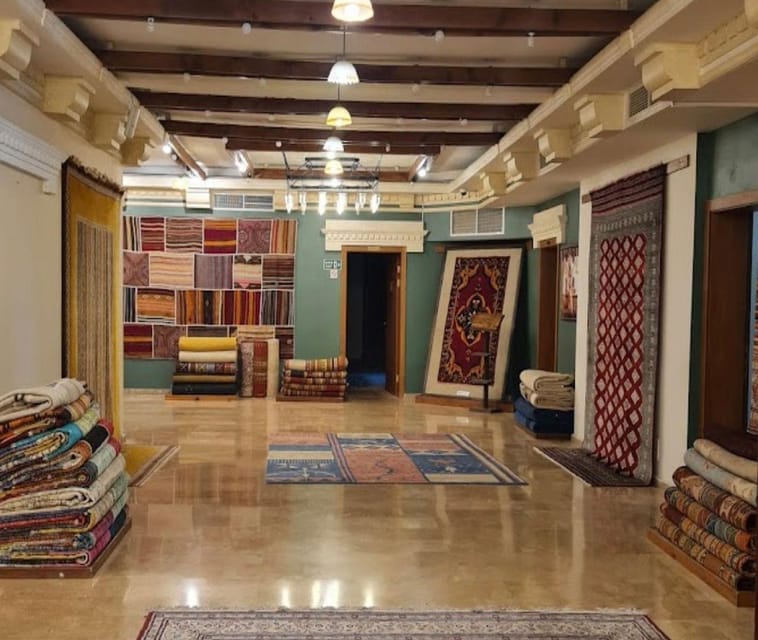
- Up-close patterns and knotting techniques, explained in plain language so you can actually see how the designs are built
- A quick history lesson that connects Turkish carpets to Central Asia, Seljuks, and European collectors
- Hands-on design practice, not just watching from a distance
- Time to browse and shop at the end, if you want to bring a piece home
- Hotel pickup and drop-off across Cappadocia villages, which keeps logistics easy for a short tour
- A private group setup, with instruction available in multiple languages
Turkish carpet heritage: what the story is really about
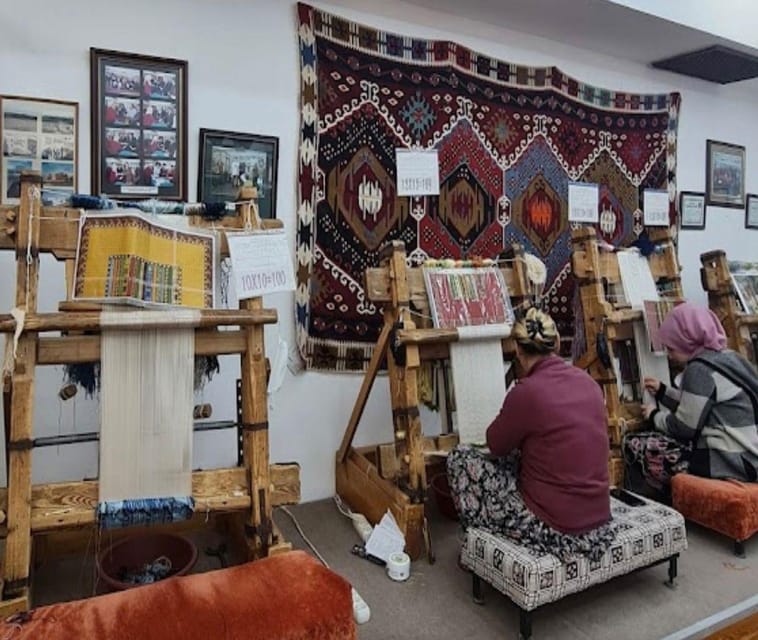
This tour works because it treats the carpet like culture, not merchandise. You start with the origins and why Turkish carpets became so important.
You’ll learn that knotted kilims and rug-making traditions have deep roots in Central Asia, where the Turks lived. The craft is presented as something developed, refined, and then carried outward as people traveled. That part matters, because once you understand the migration of skills and styles, the patterns start to read like a map of shared communities.
You’ll also hear why lamb’s wool became central. The basic logic is simple: wool was abundant, and it helped protect people from the cold of the steppes. So this is not just “beautiful art.” It’s a functional technology that became a status symbol over time.
Then the story widens. You’ll hear how Seljuks helped spread techniques toward the Mediterranean shores in the 12th century. And you’ll learn about the way elite families, private collectors, and museums value antique Turkish carpets. By the 14th, 15th, and 16th centuries, handmade carpets were prized possessions for wealthy European households.
I like that the tour includes famous mentions tied to global awareness. You may hear how Marco Polo spoke about rich carpet exhibitions in palaces and mosques. Even if you take those accounts with normal historical caution, the point lands: carpets were already seen as high-status objects long before modern tourism turned them into souvenirs.
You can also read our reviews of more tours and experiences in Cappadocia.



Inside the weaving center: seeing the work, not just the finished rug
Once you’re at the weaving center, the experience shifts from story to sight and technique. The highlights emphasize seeing intricate patterns and designs up close, and that’s where your understanding really clicks.
Instead of only viewing rugs like wall decorations, you focus on how the designs are constructed. The tour’s description highlights learning the techniques behind the patterns, which is the key difference between a casual shopping stop and an actual craft visit.
A carpet’s visual complexity can look like magic from far away. Up close, it becomes mechanical and repeatable: you can track how knots create structure, how design elements stay consistent, and how patterns emerge through layered work.
You’ll also hear why Turkish carpets are described as durable, including the mention of double knotted carpets being an invention attributed to Turkish tribes. Whether you’re a textile nerd or just curious, that detail is useful because it explains why certain rugs last for generations, not just seasons.
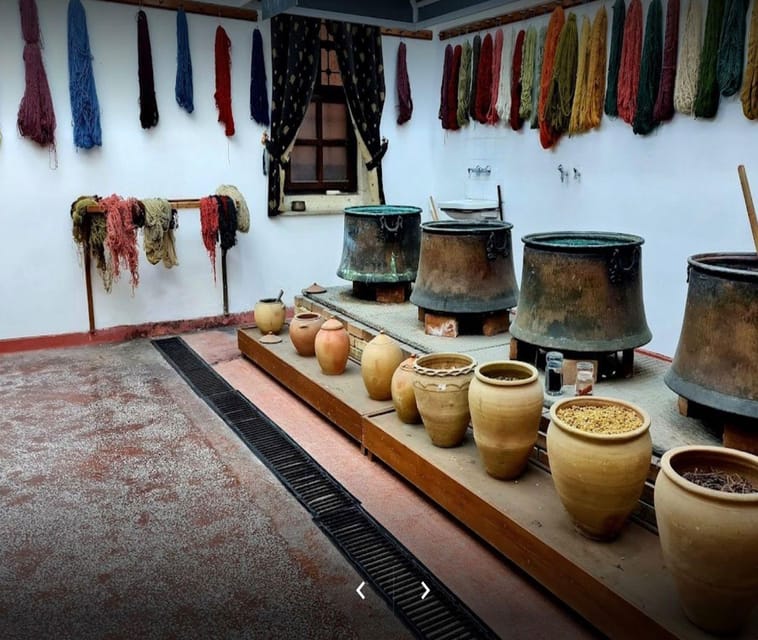
This is also where you’ll likely notice the practical side of the materials. Since the craft uses lamb’s wool, you should pay attention to how the center talks about fibers and texture. If you’re sensitive, this is the moment to be careful. The tour isn’t designed as a low-material-touch experience.
The hands-on part: create your own design
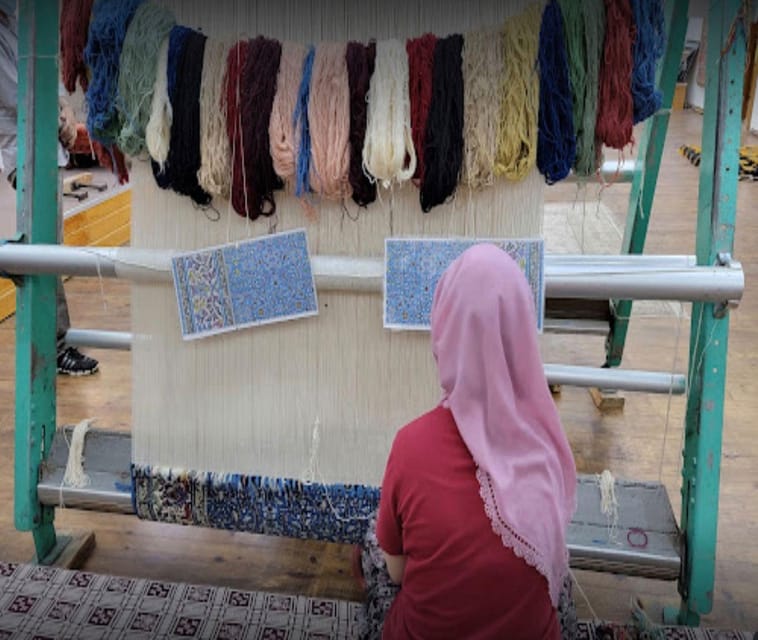
The most fun part is the chance to try your hand at creating your own design. Watching someone weave is one thing, but doing even a small step helps you understand how design decisions translate into actual pattern work.
The tour frames this as learning the process of making carpet art. So expect the instructor to guide you through the idea of pattern design, and then you’ll put your attention on your own creation. Even if your result is not perfect, you’ll walk away with a better sense of why real carpets look the way they do.
What I like about this segment is that it gives you a “feedback loop.” When you go back and look at carpets afterward, you’ll spot details you would have missed before. You’ll recognize where complexity comes from, and you’ll be able to point to pattern logic instead of just saying it looks nice.
Also, since this is a short tour, it stays realistic. You’re not expected to become a weaver. You’re expected to understand the craft enough to appreciate it, and to enjoy the process.
Time to look around and shop, without making it the whole point
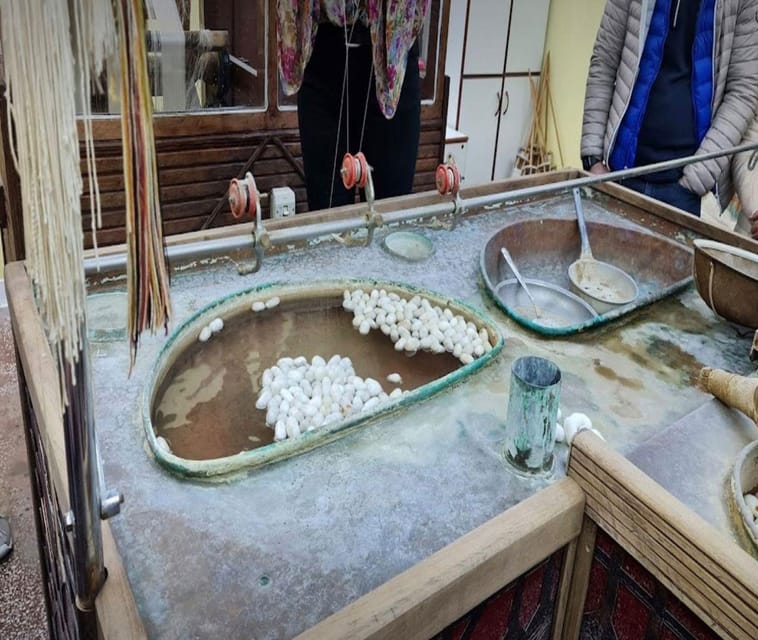
Your schedule includes free time and shopping. This is important because carpet weaving tours can accidentally turn into sales pressure. Here, the structure still gives you learning time first, then browsing time second.
So you get value in two ways:
- You learn enough to shop smarter, not randomly.
- If you do want to buy, you’re in a position to recognize what you’re seeing.
In one past booking, people were shown the full process and then invited to purchase if they wanted. That matches the tour’s flow of guided learning followed by a shopping window. Another takeaway from that kind of end-stage visit is quality is usually easier to judge when you know the basics of knotting and pattern work.
Practical tip if you’re shopping: take your time during the free window. Compare what you like visually, but also think about how the pattern is built. If you can connect the design you saw in the lesson to what’s on the rug, you’ll feel a lot more confident in your choice.
If you do plan to buy, remember food and drinks are not included, so bring water or plan to grab a drink nearby during the break/free time. A short tour can still make you thirsty.
Pickup and drop-off across Cappadocia villages: easy on a tight schedule
Logistics matter even on a two-hour tour. This one is designed for convenience by offering pickup from eight different locations: Ortahisar, Mustafapaşa, Ürgüp, Göreme, Uçhisar, Nevşehir, Çavuşin, and Avanos.
Then you return to the area with drop-offs at: Nevşehir, Çavuşin, Avanos, Ortahisar, Ürgüp, Göreme, Mustafapaşa, and Uçhisar.
I like pickup coverage like this because Cappadocia’s villages are spread out. When your tour matches your location, you lose less time to the shuffle, and you spend more time actually learning.
A short-duration tour also means you should dress for getting in and out of vehicles and walking around the weaving center. Comfortable shoes are a must. There’s no special trick here. Just wear the shoes you’d use for an easy walking morning.
The tour is also listed as wheelchair accessible, which is a helpful signal for mobility planning. Still, with any center visit involving materials and hands-on steps, you should expect some movement and close spaces.
And it’s a private group experience, which is great for interaction. You can ask follow-up questions about patterns, techniques, or what to notice when you browse.

Who should book this carpet weaving tour in Cappadocia
This is a good fit if you want culture you can see and touch, in a compact time window. You’ll enjoy it most if you like:
- learning how everyday objects become art
- understanding technique, not just buying a product
- hands-on activities that help you remember what you saw
It’s also ideal for visitors who want a break from long sightseeing days. Two hours can slot in nicely when you’re trying to balance Cappadocia’s bigger-ticket experiences with something grounded and local.
It may not be the best choice if:
- you have severe wool allergies, since the craft uses lamb’s wool
- you’re traveling with children under 6, since the tour may feel challenging
Language support is another plus. The tour is available in English and Turkish, and the instructor profile also lists Japanese, Portuguese, Spanish, and German. If you’re not comfortable in English, it’s worth checking which language will be used for your group before you go.
Price and value: why $16 can actually make sense
At $16 per person for a 2-hour experience, this is priced like an affordable craft introduction. The best value part is what’s included: entrance to the Carpet Weaving Center, plus hotel pickup and drop-off.
That combination is what makes it feel fair. If you had to pay for transportation on your own across Cappadocia, the effective cost would climb fast. Here, you get the learning and the local access without needing to coordinate rides.
You’re also not limited to watching. The experience includes trying your hand at creating your own design, and you get close views of patterns and techniques. That hands-on component is hard to replicate cheaply.
Food and drinks are not included, so you should plan to handle that on your own. But for a short craft tour, that’s a reasonable trade-off.
If you want a carpet as a souvenir, this tour can be even better value because it teaches you what to look for right before you shop.
Should you book this Cappadocia carpet weaving tour?
Book it if you want a quick, local craft experience with a real education attached. The strongest reasons to go are the pattern-focused viewing, the hands-on design time, and the fact that the history is explained in a way that helps you understand what you’re seeing.
Skip it if wool is a problem for you, especially with severe allergies. And if you’re bringing very young kids, plan for extra patience or consider a shorter, less structured activity instead.
If you’re staying in Cappadocia and you want something meaningful that still fits into a tight schedule, this is a smart bet. It’s the kind of tour where you leave with knowledge you can actually use when you look at rugs later.
FAQ
How long is the Cappadocia traditional local carpet weaving tour?
The tour lasts 2 hours.
What is the price per person?
The price is $16 per person.
Where do you get picked up and dropped off?
Pickup options include Ortahisar, Mustafapaşa, Ürgüp, Göreme, Uçhisar, Nevşehir, Çavuşin, and Avanos. Drop-off locations include Nevşehir, Çavuşin, Avanos, Ortahisar, Ürgüp, Göreme, Mustafapaşa, and Uçhisar.
What is included in the tour price?
You get entrance to the Carpet Weaving Center and hotel pickup and drop-off.
What languages are available for the tour?
The tour is available in English and Turkish. The instructor is listed for Japanese, English, Portuguese, Spanish, and German.
Is it wheelchair accessible and is it suitable for people with wool allergies?
The tour is wheelchair accessible. It is not suitable for people with severe allergies to wool. Children under age 6 may find the tour challenging.
More Tours in Cappadocia


More Tour Reviews in Cappadocia
Not for you? Here's more nearby things to do in Cappadocia we have reviewed


Avanos Pottery Workshop Tours, compared.
 ★ 5.0Historical Pottery Making in CappadociaFrom $13261 reviews
 ★ 4.8Avanos: Pottery Workshop with Clay Making ExperienceFrom $22233 reviews
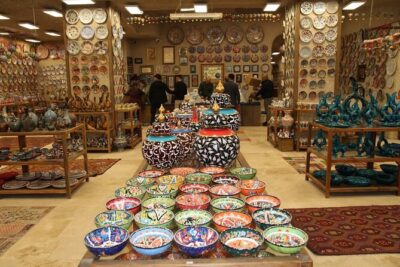 ★ 5.0Cappadocia Pottery Workshop ClassFrom $10191 reviews
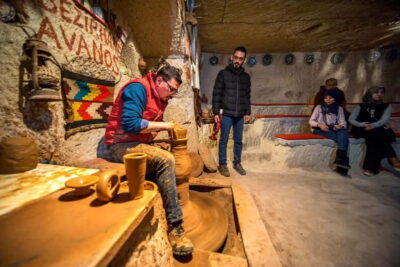 ★ 4.6Authentic Pottery Workshop ExperienceFrom $975 reviews
 ★ 3.3Pottery WorkshopFrom $1241 reviews
 ★ 5.0Private Pottery Making CourseFrom $1932 reviews
 ★ 4.6Visit to Cappadocia ceramic workshop and carpet storeFrom $3019 reviews
 ★ 5.0Private Red Tour with Pottery Workshop in CappadociaFrom $8317 reviews
Browse the lists this tour appears in