Wonders of Turkey – Gulet: Istanbul, Cappadocia, Ephesus, Fethiye

Reviewed · CAPPADOCIA

Wonders of Turkey – Gulet: Istanbul, Cappadocia, Ephesus, Fethiye

5.0 · 51 reviews From $2,356 Operated by Fez Travel · Bookable on Viator
Book on Viator →

Turkey rewards slow time and big stories. This trip strings together Istanbul, Gallipoli, and Ephesus, then swaps land days for a traditional wooden gulet cruise where you wake up to the Turkish Riviera. I especially love the way history is handled, Gallipoli stays human and focused, while Ephesus and Troy give you scale you can see and walk. I also like the pacing of the cruise, small stops, swims, and anchored nights help the whole itinerary feel less rushed. One thing to plan around: entrance fees are not included, and they’re paid on the spot in cash.

The best part is the balance, world-famous sites and some quieter stretches of coastline. Your land portion uses an air-conditioned vehicle and a professional English-speaking guide, but during the gulet days the guide does not accompany you, so you rely more on your own timing and the skipper’s flow. If you hate bus days or you need fully guided time every hour, this might feel like too much moving around.

Key Points You’ll Feel on the Trip

  • Small-group cruise on a gulet that fits up to 16 travelers, with cabins that have private bathrooms
  • Daily water time with swims and snorkeling around Turunc Bay, Tarzan Bay, and stops like Red Island
  • Real guided value on land, including major sights in Istanbul, Ephesus, and major memorial sites in Gallipoli
  • A cruise that lets you choose, docked days give you freedom to wander small towns on various islands
  • Practical included extras, like three local wines and meals during the gulet portion
  • Cappadocia plus underworld Turkey, from Goreme Valley Open Air Museum to underground-city levels

What This Trip Really Delivers in 13 Days

This is a Turkey sampler with a twist. You start with Istanbul’s big, iconic landmarks, then move into heavier ground at Gallipoli, and on to ancient wonders like Troy and Ephesus. After that, the tour turns “cruise mode,” where the pace gets gentler and the best hours are the ones spent on deck or in the water.

The reason I like this style is simple. Most Turkey itineraries force you to choose between culture and relaxation. Here you get both, and they’re separated in a way that actually works. The land days do their job, then the gulet days do theirs.

Also, the group size is small enough to feel personal. The gulet can handle a maximum of 16 passengers, and each cabin holds up to two people. That matters because it keeps queues down, helps decisions get made faster, and makes the cruise feel like a floating base rather than a crowded tour bus with bunks.

You can also read our reviews of more tours and experiences in Istanbul.

Istanbul Old City and Bosphorus Time Without the Guesswork

Wonders of Turkey - Gulet: Istanbul, Cappadocia, Ephesus, Fethiye - Istanbul Old City and Bosphorus Time Without the Guesswork
Istanbul is the kind of city where you can burn half your day just figuring out where you are. This tour reduces that stress with a fully guided block in Sultanahmet, plus an optional Bosphorus cruise.

You’ll visit the Blue Mosque, the St Sophia Museum, Topkapi Palace (including Hagia Irene), and the Hippodrome. That’s a strong spread, because it covers worship, imperial power, and the old civic core. If you like walking through layers of a city, this fits your rhythm. Even if you’ve seen photos, being there changes the scale fast.

Then there’s Bosphorus time in the afternoon. The cruise is optional for a half-day format, but either way you’ll get that Europe-to-Asia perspective that makes Istanbul feel unique. From the water, the city stops being a map and becomes a story.

Practical note: you’ll want comfortable shoes for the Sultanahmet cluster. Palace and museum areas tend to stack stairs, courtyards, and uneven surfaces.

Gallipoli: Quiet Moments in a Place of Heavy Memory

Wonders of Turkey - Gulet: Istanbul, Cappadocia, Ephesus, Fethiye - Gallipoli: Quiet Moments in a Place of Heavy Memory
Gallipoli is not a casual sightseeing stop. The tour includes WWI battlefields and memorial sites such as Lone Pine and Chunuk Bair Memorials, ANZAC Cove, The Nek, Johnston’s Jolly, and original trenches and tunnels.

What makes this valuable is how it’s structured. You’re not just looking at scenery, you’re moving through named locations that connect together. Even on a “guided tour day,” you’ll want time to pause and take it in, because some of the best parts of Gallipoli are the still, unspoken stretches between monuments.

One consideration: it’s emotionally intense. Plan for it. If you tend to get overwhelmed easily on history days, take it slow at your own pace and don’t try to cram it all with extra activities afterward.

Troy and Behramkale: UNESCO Scale Plus a Human Pause

Troy is the anchor here, and the tour makes sure you don’t just run through the ruins. You’ll explore the ancient city, a UNESCO World Heritage Site, and also visit the new, award-winning Troy Museum. That museum piece matters, because it helps you understand what you’re seeing before the stone and gaps start to look random.

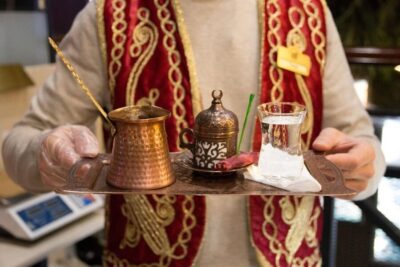
From there, the itinerary shifts to a calmer stop in Behramkale, an old village with stone houses and narrow streets. You’ll have time to explore the village and even grab Turkish tea or coffee. This is a good contrast to the big-ticket history. It gives your brain a breather.

Then you continue to Kuşadası, setting you up for the Ephesus day.

Ephesus and Selcuk: Roman Grandeur Plus Hands-On Carpet Craft

Wonders of Turkey - Gulet: Istanbul, Cappadocia, Ephesus, Fethiye - Ephesus and Selcuk: Roman Grandeur Plus Hands-On Carpet Craft
Ephesus can feel overwhelming, even when you love ancient ruins. The tour keeps it readable with guided coverage of the major sights, then adds context through museums and craft.

You’ll visit the Ephesus Archaeology Museum, where artifacts bring the ancient city’s story to life. Then your guided walk covers the Temple of Artemis site, the Library of Celsus facade, and the amphitheater. That sequence helps you connect religious life, knowledge, and public spectacle.

A standout addition is the carpet weaving experience in a carpet village. You’ll learn how carpets are made by hand and what determines their value. This is one of those cultural add-ons that can be either a waste of time or a real learning moment, and here it’s positioned right after the ruins, so you’re switching from ancient materials to living craft.

Finally, the day includes a wine tasting in Selçuk. Three local wines are included on the tour, which means you get a taste of the region without having to hunt for a tour on your own.

Tip: if you’re sensitive to time in shops, keep your boundaries. The carpet village is a learning stop first, but it can involve sales conversations. You can enjoy the process and still keep your wallet closed.

Fethiye to Gocek by Gulet: The Part You’ll Remember

This is the heart of the trip for many people, because it changes the rhythm of travel. You board in Fethiye Harbour around 15:00 and immediately switch from roads to water.

The gulet experience is “small but capable.” It’s a traditional wooden yacht with 16 cabins and private bathrooms. On board you’ll find a saloon bar, dining room, and a sun deck made for long, slow hours. And crucially, all meals are included on the gulet.

From a value standpoint, this is a big deal. You’re paying for the cruise not just to see the sea, but to have food handled and time built in.

Here’s what your cruise days feel like:

  • Turunc Bay or Tarzan Bay for swimming and snorkeling
  • cruising past islands with anchored stops
  • time at Tersane Island (Dockyard Island) with ruins of a former Greek town and shipyard history that you may be able to explore
  • a flow that keeps water time frequent, not just one “photo stop”

Your Gulet Days Have Real Choice

One detail that matters: the tour guide does not accompany the group during the gulet section. That sounds like a downside, but it often means you get more control. When the gulet docks, you decide how you want to spend that time. Sometimes that means wandering small towns on islands. Sometimes it means returning to the water.

Because you’re not chasing a guide all day, you’ll want to stay organized yourself. If you want photos, bring a charging plan for your devices. If you care about snorkeling spots, be ready to get in when the boat stops.

Hamam Bay, Ancient Roman Baths, and a 45-Minute Walk to the Lycian Past

Day 7 leans into variety. You head toward Hamam Bay, swim in the ancient ruins of Roman Baths reportedly built by Mark Antony as a gift for Cleopatra, then cruise onward.

Next stop is Sarsala Bay. From here you can take a 45-minute hike to an ancient Lycian town, known for inscribed walls from the 3rd century BC. If you like walking with a payoff, this is the kind of stop that makes the cruise feel like more than a beach day.

Then you reach Bedri Rahmi Bay. You’ll have time to jump in the clear water or explore the island. This is a classic gulet style, simple days that still feel special because the coastline is the main attraction.

Anchored Islands and Red Island Swims Near Fethiye

Wonders of Turkey - Gulet: Istanbul, Cappadocia, Ephesus, Fethiye - Anchored Islands and Red Island Swims Near Fethiye
On the next cruise day, you cruise toward Fethiye while passing the Yassica Islands and Gocek Islands. Many of these islands are unnamed, but they offer safe anchorage and secluded sandy beaches. The practical benefit is that you’re not stuck in a single crowded location. You get variety over the day.

Your final swim stop is Red Island before returning to Fethiye.

If you’re the type who hates waiting around, this is good. The day is structured around movement plus short bursts of time in the water, not long coach rides between distant points.

Pamukkale and Hierapolis: White Terraces and a Roman-Style Hot Soak

Pamukkale is one of Turkey’s most distinctive scenes. The tour includes the white calcium terraces, called travertines, and a visit to the ancient city of Hierapolis.

You’ll also have time to take a dip in the hot springs among ancient columns, used in Roman times for their therapeutic powers. This is a rare combo: iconic geology plus archaeology you can still feel close to your body.

One consideration: travertines can be slippery depending on conditions. Move carefully. Also, Pamukkale is usually a high-demand stop, so having set tour timing helps more than it sounds.

Konya on the Silk Road: Caravanserai and Mevlana Museum

Konya is a different Turkey mood. You travel on the Silk Road route and visit Sultanhani Caravansary, then the Mevlana museum in Konya.

This is valuable because it’s not only about one monument. The caravansary gives context for how people moved, traded, and waited during long journeys. Then Mevlana adds a spiritual and cultural layer through museum time.

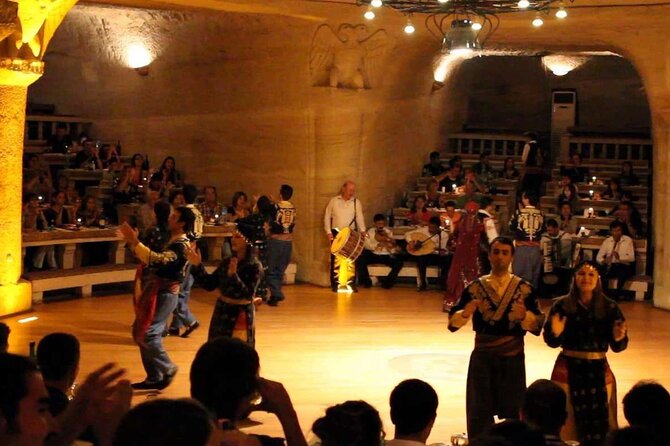
There’s also an optional traditional Turkish folklore evening on this day. If you want one evening that’s more performance and less museum, this is where you’d choose it.

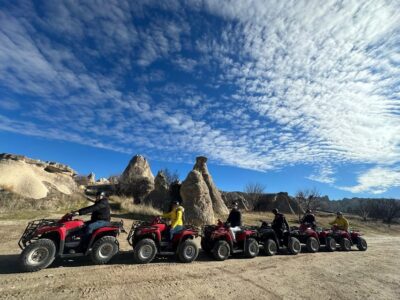
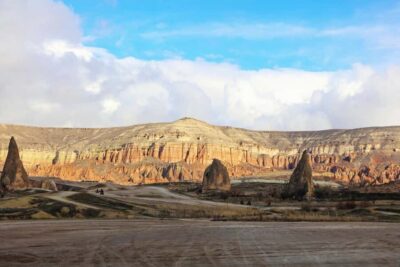
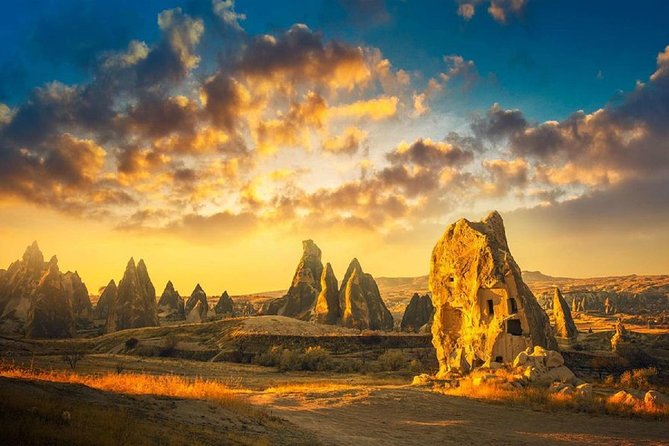
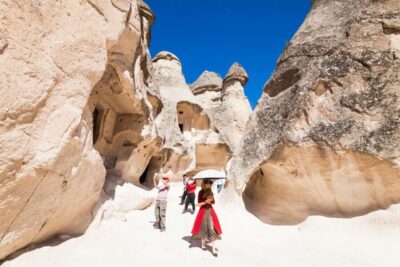
Cappadocia: Goreme Valley, Fairy Chimneys, and Underground City Levels

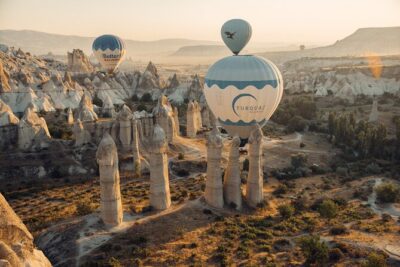
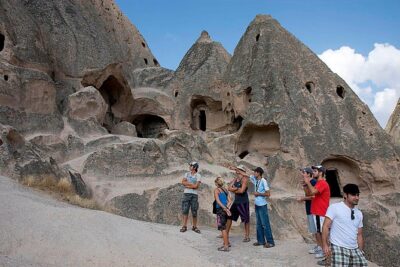
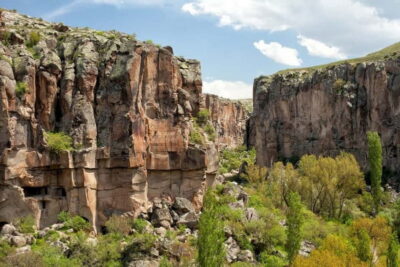
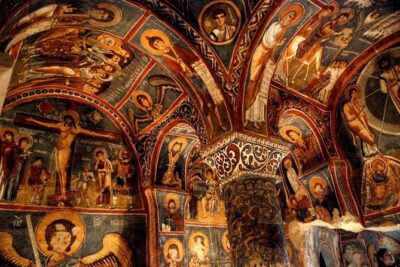
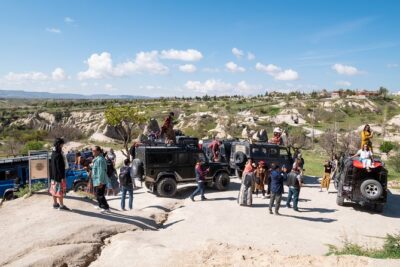
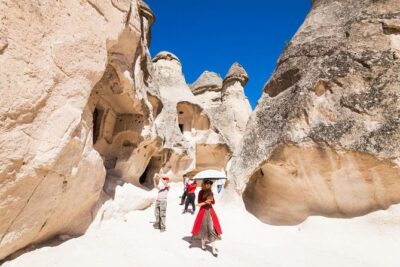
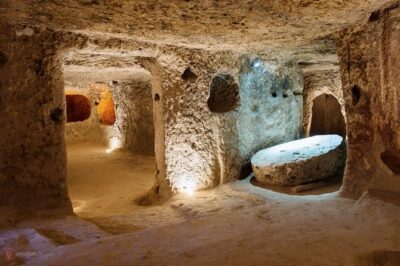
Cappadocia fits perfectly after so much touring, because it gives you a surreal setting. You’ll visit the Goreme Valley Open Air Museum and see the fairy chimneys, then explore levels of an underground city.

The underground part is where this itinerary gets interesting, because underground cities often feel like a separate world: cooler, dimmer, and built for survival. Even if you’re not a “facts about architecture” person, you’ll feel the purpose of the space as you move through rooms and corridors.

Practical tip: wear layers. Indoor and outdoor temperatures can swing, especially in early or later hours.

Ankara and the Return to Istanbul: Closing With Ataturk’s Mausoleum

The day in Ankara is focused and efficient. You visit Anitkabir, the mausoleum of Mustafa Kemal Ataturk, then return to Istanbul.

This is a sensible closing beat. After the mythology of Troy, the pain of Gallipoli, and the geology of Pamukkale, the trip ends with a modern national symbol tied to Turkey’s 20th-century story.

Price, Entrance Fees, and What You Need to Budget

The tour price is $2,356.81 per person for an approximately 13-day itinerary. On paper, that’s not “cheap.” In practice, it starts to make sense because you’re bundling a lot of major ground stops plus a 3-night gulet cruise with private cabins and private bathrooms.

Key value points:

  • accommodation is included on the gulet for three nights
  • meals are included on the gulet
  • three local wines are included
  • land days include a professional English-speaking guide and an air-conditioned vehicle

What’s extra:

  • entrance fees are paid on the spot in cash at €240.00 per person
  • tips for captain and gulet crew, plus tips for driver and guide, are not included
  • alcoholic drinks are available to purchase

If you like budget clarity, plan to add that €240 entrance cash amount to your total spending. Also expect to cover tips based on your own comfort level.

Who Should Book This Tour (And Who Might Skip It)

This tour is a strong fit if you want:

  • a small-group feel during the cruise (max 16 travelers)
  • a guided land program that covers major anchors like Istanbul, Gallipoli, Troy, and Ephesus
  • daily water time, not just one day of swimming
  • a trip that mixes big sights with calmer village moments like Behramkale

You might think twice if:

  • you need a guide on board during the cruise (the land guide does not accompany you on the gulet section)
  • you dislike paying some costs on arrival, since entrance fees are cash at €240 per person
  • you hate emotional weight days, since Gallipoli is part of the core plan

Should You Book Wonders of Turkey – Gulet?

Yes, if you want a Turkey itinerary that balances big history with real relaxation. The gulet portion is the glue that makes the trip feel like more than a checklist, and the included setup on board helps it run smoothly.

Before you book, do two things. First, pencil in the €240 per person entrance cash and be mentally ready for tips. Second, make sure you can handle varied pacing, there are long touring days before the cruise, then water-heavy days afterward. If that mix sounds like your kind of travel, you’ll likely find this one lands very well.

FAQ

Where does the tour start and end?

The tour starts at Nidya Hotel Galataport on Kılıçali Paşa, Meclis-i Mebusan Cd. No: 19/2, 34425 Beyoğlu, Istanbul. It ends back at the same meeting point.

How many passengers are on the gulet?

The gulet can accommodate a maximum of 16 passengers, with up to two passengers per cabin. Each cabin has a private bathroom.

Are meals included?

All meals are included on the gulet. On land, the tour lists breakfast, lunch, or dinner as optional inclusions depending on the day.

Do I have a guide during the gulet portion?

No. The tour guide does not accompany the group during the gulet section of the tour.

How much are entrance fees and how are they paid?

Entrance fees are payable on the spot in cash at €240.00 per person.

What if weather affects the trip?

This experience requires good weather. If it’s canceled due to poor weather, you’ll be offered a different date or a full refund. Also note that the gulet itinerary is subject to change without notification, based on the captain’s decisions at the time.