
Reviewed · CAPPADOCIA
9 Days Istanbul Ankara Cappadocia Konya Pamukkale Ephesus
Some trips feel like a checklist. This one feels like a story.
You get a fast, well-planned route through Istanbul and into Ephesus, with guided time in the biggest sights and built-in breaks like the Bosphorus boat ride. It is the kind of trip that helps you see a lot without drowning in logistics.
What I like most is the way the days are structured around included admission and guided context, so you understand what you are looking at instead of just photographing it. I also like the human touch, with Mr Adam and his team described as easy to reach and flexible when plans need small changes.
The main consideration is simple: this is a packed route. There are big sight days, and at times the travel time between regions can feel long, so it helps to travel with a calm pace and comfy shoes.
Key things to know before you go
- Guided museum-heavy days: major sites come with admission fees included, which cuts down on surprise costs.
- Istanbul at land and sea: you do both landmark time on foot and a Bosphorus boat ride for the Europe-Asia angle.
- Cappadocia variety: underground churches, castle viewpoints, fairy chimney scenery, plus the Göreme Open Air Museum.
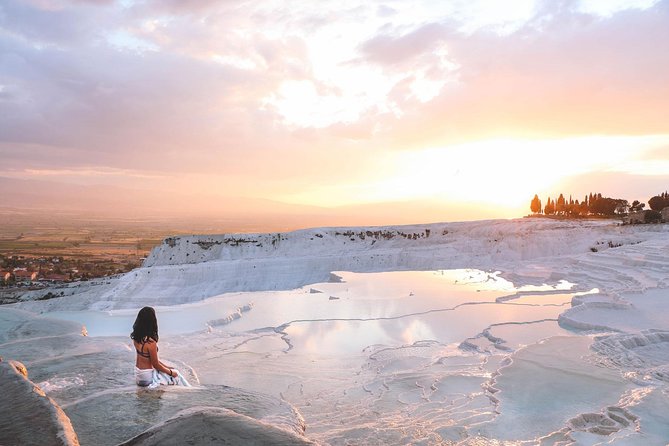
- Konya to Pamukkale on one day: you get Mevlana’s complex, then the cotton-white thermal terraces and nearby Hierapolis ruins.
- Small group size: up to 15 people, so questions and pacing feel more personal.
- Meal plan included: breakfasts are frequent, with lunch and dinner included on several days, while drinks are not.
The value of a 9-day route that actually connects the dots
This itinerary is designed to move you like a “greatest hits” circuit through Turkey’s best-known cultural stops, but it does not feel random. Istanbul anchors the first half with Ottoman-era landmarks, then you pivot inland to Ankara, swing into Cappadocia, and continue south toward Konya, Pamukkale, and Ephesus. Finally, you return to Istanbul for an easy decompression day.
At $3,280 per person, the real value is what gets folded into the price. You are paying for a guide, included admission for many headline sights, airport transfers, and key transport connections like the domestic flight from Izmir to Istanbul and the transfer from Istanbul to Ankara. When a trip covers this many entry tickets and movements, the math often works better than paying all the sights and logistics separately.
Also, this is not a huge tour with strangers everywhere. The group max is 15 travelers, which tends to make timing and coordination smoother, especially on busy museum days.
You can also read our reviews of more tours and experiences in Istanbul.
Istanbul day one, from palace power to the call of the bazaar
Your first full sightseeing day lands in Sultanahmet, the historic core where Ottoman and Byzantine layers overlap. You start at Topkapı Palace, built between 1460 and 1478 under Sultan Mehmed II after the conquest of Constantinople. It served as the Ottoman sultans’ home for almost four centuries, so this is more than a pretty building, it is a real power hub.
From there, you move to the Hippodrome, an arena tied to the city’s earlier Byzantine identity, later expanded under Septimius Severus around AD 203. The point is to help you notice how Istanbul reused and reshaped old spaces as empires changed.
Then comes the “big two” of the square. The Blue Mosque was built from 1609 to 1616 under architect Mehmet Ağa, ordered by Sultan Ahmed I, and it was designed to mirror the presence of Hagia Sophia across the square. After that, you visit Ayasofya, now Hagia Sophia, famous for being constructed three times at the same spot.
Finally, you close with the Grand Bazaar, originally connected to Sultan Mehmed II’s 15th-century push to build covered bazaars, or bedesten, focused on fabrics and silks. Even if you are not buying anything, this is a good way to feel the marketplace rhythm and get your bearings for later shopping or browsing.
Tip for your day-one Istanbul energy: keep one small break in mind. The sights are impressive, but you also spend time walking and switching locations, so you will enjoy the day more if you do not over-schedule outside the guided blocks.
Bosphorus bridge views, Spice Market smells, and the boat trip
The next Istanbul-heavy day balances architecture with a sensory side of the city. You go over the Bosphorus Bridge area, which matters not just for the photo angle, but because the Bosphorus currents and fishing patterns explain why both shores stayed lively. The itinerary even notes the fast surface current moving from the Black Sea toward the Marmara, plus a countercurrent carrying saltier water the other way.
Next is the Misir Çarşısı, the Spice Market, also called the Egyptian Bazaar. It is one of Istanbul’s oldest bazaars and it sits next to the New Mosque complex as an annex. I love this stop because it gives you a quick win: you get history, but also real market atmosphere.
Then you do the Bosphorus Strait boat ride, a classic Europe and Asia cruise. You pass Dolmabahçe Palace and see parks and imperial pavilions along the shoreline, plus the marble face of Çırağan Palace near the coast. The stop also mentions Ortaköy, where artists gather on Sundays, and it calls out something practical and human, the long-standing co-existence of a church, mosque, and synagogue in the same area.
One practical note: this is a day where you will feel the temperature changes, especially if you are out on the water. Bring layers you can handle easily.
Ankara, Anıtkabir and the Anatolian Civilizations Museum
After Istanbul, the trip moves inland to Ankara, where the mood shifts from empire architecture to modern national identity. At Anıtkabir, you visit Mustafa Kemal Atatürk’s mausoleum and learn the timeline behind the Turkish War of Independence and the Turkish Revolution. The program frames it through his life of 57 years, ending on 10 November 1938.
I like this stop because it gives you context for the rest of the journey. When you understand why the republic shaped Turkish identity the way it did, you read later sites with a better lens.
You pair it with the Anadolu Medeniyetleri Müzesi, housed across Ottoman-era buildings like Mahmutpaşa Bedesten and Kurşunlu Han. It was restored and renovated in 2014 and includes virtual tours, animations, and replicas tied to major discoveries like Göbeklitepe. That makes it a museum stop that feels less like memorizing and more like building a mental map.
If you are someone who usually finds museums dry, this one might surprise you, especially with the museum format described here.
Cappadocia’s underground faith and fairy chimney drama
Cappadocia days are where this tour turns visual and unforgettable. You start with Özkonak Underground City, a rock-carved complex associated with early Christians. The description here is the best part, it explains why the Christians settled underground, escaping pressure from Byzantines and intense Arab raids, and mentions leadership by St Basil for carving a city of their own.
Then you head to Uçhisar Castle, used as a natural shelter and watchtower, with early settlements going back to the Hittite period in the 3rd millennium BC. The stop links the location to early Christian community use too, so it is not just a viewpoint, it is tied to who lived here and how they adapted.
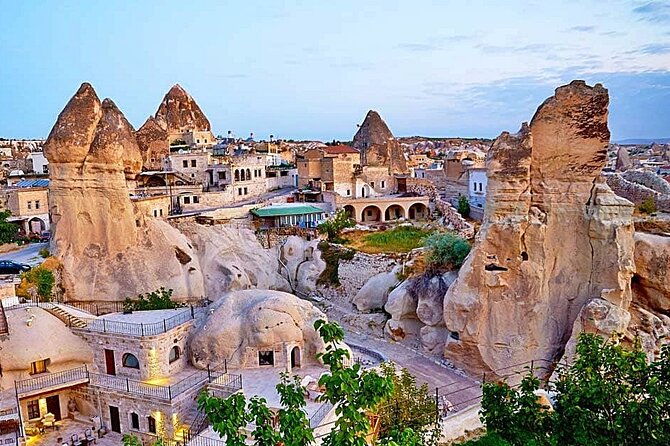
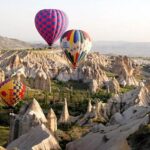
After that, you visit Devrent Valley, known for surreal fairy chimneys shaped like animals and human figures. The itinerary specifically calls out a giant camel-shaped chimney as a symbol of the valley. I love this place for its low pressure, you can wander, look, and let your imagination do some work without needing a strict schedule.
You then reach the Göreme Open Air Museum, described as the crown jewel of Cappadocia’s heritage, packed with churches and monastic complexes. It is one of the best-known sites in the region, and the guide time helps you connect the scenes to the broader story of the area.
To round it out, the day includes Avanos, a town tied to pottery and known historically as Venessa. The stop highlights pottery roots going back to the Hittites, which makes it a great contrast to the rock-carved sites earlier in the day.
Cappadocia comfort tip: plan for uneven ground and lots of walking. Even when specific stops are short, you still cover ground through villages and scenic viewpoints.


Konya’s Mevlana experience, then straight to Pamukkale’s white terraces
Konya is where the trip leans into spirituality and Turkish cultural tradition. You visit Mevlana Müzesi, the tomb of Mevlana, housed inside the Mevlana Dergah. The itinerary notes a mausoleum built in 1274, and it also references how additional structures like the dervish lodge spaces were built in later centuries.
I like how this stop is framed. Instead of treating it as a single tomb, the description connects the site to a longer timeline of worship spaces and community buildings, including places associated with semah and other lodge functions.
From Konya, the tour continues to Pamukkale Thermal Pools, described as cotton castle and famous for white calcium pools clinging to a ridge. Even the time note is telling, 2 minutes listed for the thermal pools stop, which implies you get the view quickly and move on to other sites rather than lingering.
Then you cover Hierapolis and the nearby ruins. The program calls out a theatre built for a visit by Emperor Hadrian around 129, plus renovations under Septimius Severus in 193 to 211. It also includes the detail that Caracalla visited in 215 and granted the title neocoros, linked to privileges and sanctuary rights.
This is a day with a lot happening, so the best way to enjoy it is to treat it like a sequence of scenes. You are not meant to fully absorb everything in one sitting, you are meant to see the highlights and let the guide explain what matters.
Ephesus and the Virgin Mary’s House, big archaeology plus personal spirituality
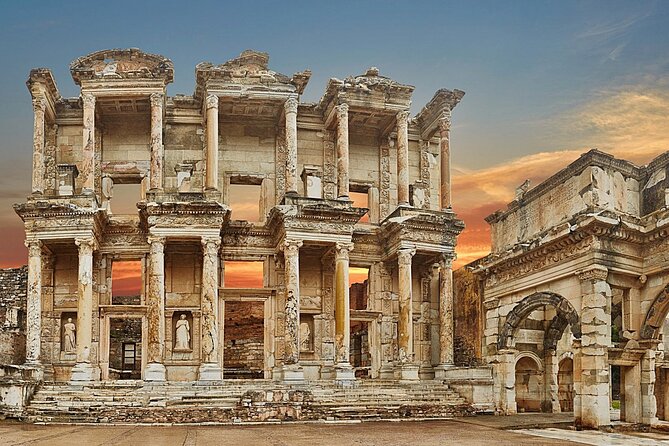
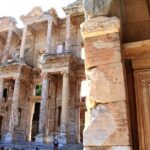
On the Ephesus day, you get one of Turkey’s most famous archaeological experiences, and the way it is presented helps you understand why people keep returning. Ephesus is described as a key Greek city and a major Mediterranean trading center, plus it later became a hotspot for early Christian evangelism. The ruins are well preserved, and the site is framed as both an archaeological destination and a Christian pilgrimage stop.
You spend enough guided time to make it feel like a place with layers, not just columns. The tour then pairs Ephesus with Virgin Mary’s House in Selçuk, described as a sanctuary believed to be Mary’s last residence.
One thing I appreciate here is the balance. Ephesus gives you the public history of a port city, while the Virgin Mary’s House shifts the mood to quiet reflection in a hillside setting. If you like when a day changes pace, this pairing works.
Practical pacing tip: plan to stay hydrated here. Ephesus ruins can feel exposed, and you will likely spend time walking between areas.
Back in Istanbul, your 8 hours to choose your own pace
After the southern run, you get a break day in Istanbul, about 8 hours of free time. You can relax at the hotel or head out to pick a few famous places that match your own interests.
This is a smart design. A trip like this can make you feel like you are always moving, and that free block lets you reset, re-charge, and shop without feeling like you must hit everything.
Then on the final day, you leave for the airport based on your timing. The day is short, around 3 hours listed, so it feels like an easy landing instead of another big sightseeing sprint.
Price and logistics: what $3,280 covers and why it can be worth it
When you see a price, you should ask what you are not doing yourself. In this case, you are not planning museum tickets state by state, and you are not coordinating every transfer from region to region.
You get:
- Professional English & Spanish guide
- Museum entry fees for the sights listed throughout the program
- Arrival and departure airport transfers
- Domestic flight from Izmir to Istanbul
- Transfer from Istanbul to Ankara
- Accommodation as mentioned on the plan
- Meals: breakfast 8 times, lunch 5 times, dinner 4 times
- Dinner and breakfasts are included, but drinks are not
That meal pattern is important. It reduces daily decision fatigue, and it gives you more time to spend on sightseeing instead of hunting down places to eat.
On the logistics side, you should also note the language setup. The guide work is listed as English and Spanish, and the booking info says Thursdays may offer a 4-language tour (English, Spanish, Italian, Portuguese), while Saturdays are only Spanish and English. So if you need Italian or Portuguese, check your day and language section carefully.
Finally, this is described as maximum 15 people, which often means less waiting around and quicker clarifications when schedules shift.
Who this tour suits best
This route is a good fit for you if you:
- Want a guided “big highlights” Turkey experience without building a complex plan yourself
- Like getting historical context while you walk through major sites
- Enjoy moving between regions and seeing how cultures shift across the country
- Prefer a structured day with included tickets and meals
It is also a good choice if you travel with family or friends who want flexibility. The provided feedback emphasizes that Mr Adam’s team stays responsive and helps smooth last-minute changes, which is a big deal when you have multiple people trying to sync schedules.
If you hate fast pacing and want slow, long stays in one place, you might feel the schedule is tight. For that style, you would probably want a shorter route or more standalone days in fewer regions.
Should you book this 9-day Istanbul to Ephesus tour?
I would book it if your goal is to see a lot of Turkey’s top sights with guided explanation, included admissions, and minimal daily planning stress. The mix of Ottoman landmarks in Istanbul, a major archaeological day at Ephesus, and the distinct Cappadocia stops make it feel like more than a drive-by tour.
I would think twice if you dislike packed days or you know you get tired quickly with long travel blocks. In that case, you can still enjoy individual stops, but this tour format may feel like too much in too little time.
If you do book, do two things that will make the biggest difference. Wear shoes you can walk in for hours, and come with a little flexibility mentally, because this route is built to move.
FAQ
How long is the tour?
The tour is about 9 days.
What is the group size limit?
The group size has a maximum of 15 travelers.
Is pickup offered and are airport transfers included?
Yes, pickup is offered, and arrival and departure airport transfers are included.
What languages are available for the guide?
The tour includes a professional English and Spanish guide. Thursdays may offer booking in four languages (ENG, ESP, IT, PT), while Saturdays are only available in Spanish and English.
Are museum entrance fees included?
Yes. Museum entry fees are included for the sights listed in the program.
Are meals included?
Breakfast is included 8 times, lunch is included 5 times, and dinner is included 4 times. Drinks are not included.
Is domestic transportation included?
Yes. There is a domestic flight from Izmir to Istanbul included, plus a transfer from Istanbul to Ankara.
What expenses are not included in the tour price?
Optional tours, drinks, and personal expenses are not included.
Can I get a full refund if I cancel?
You can cancel up to 3 days in advance for a full refund. A full refund requires canceling at least 3 full days before the experience’s start time. If you cancel less than 3 full days before, the amount is not refunded.


