
Reviewed · CAPPADOCIA
8-Days Wonders of Turkey: Istanbul, Ephesus, Pamukkale and Cappadocia
Eight days, four UNESCO worlds, one smooth plan. I like the small-group pace and the steady guide attention, and I also like that hotel pickup helps you start without stress. This route strings together the big names in Turkey while still giving you time to actually look at what you paid to see.
One key thing to plan for: site and museum admission fees are mostly not included, so budget extra cash for entrances at places like Hagia Sophia, Ephesus, and Pamukkale.
Key highlights I’d plan around
- Max 16 travelers keeps Istanbul-to-Cappadocia from feeling like a cattle chute
- UNESCO hit list across Istanbul, Ephesus, Pamukkale, and Cappadocia
- Included domestic flights and transfers so you do not waste half-days on logistics
- Hotel-to-activity convenience with air-conditioned vehicles and pickup options in Istanbul
- Meals included: 7 breakfasts and 4 lunches, which helps control daily costs
- Admission fees are separate for many major stops, even when tours are included
Why this 8-day Istanbul-to-Cappadocia route makes sense
This is a classic Turkey sampler, built for first-timers who want the headline sites without choreographing trains, buses, and ticket lines on your own. You spend 8 days bouncing between regions that feel totally different: the imperial streets of Istanbul, the Roman spine of Ephesus, the white travertines of Pamukkale, and the cave-and-valley world of Cappadocia.
The value here is not just that tours are guided. It is the “middle parts” you usually pay for separately, like domestic flights, transfers, and a bundled hotel plan. At $1,599 per person for about 8 days, you are roughly in the $200-per-day neighborhood, then you add meals you do not have to buy (7 breakfasts and 4 lunches). That is how you avoid the common trap of paying for one expensive day and then spending freely on everything else.
Small-group size matters. With a max of 16 travelers, your guide can actually keep an eye on the timing and get people moving when it counts. That is especially helpful in Istanbul, where you can waste time just finding the right entrance and the right shade.
The main caution is budgeting for entrances. Your tour includes guided visits and transport, but it does not include most museum and site admission fees. You will want some cash or a card ready, because the big names on this route often charge entry.
You can also read our reviews of more tours and experiences in Istanbul.

Istanbul first: Hagia Sophia, Blue Mosque, Topkapi, Hippodrome, and Grand Bazaar
Your first full day in Istanbul is built around landmarks that explain how the city layers time: Byzantine, Ottoman, and the city’s imperial boom years.
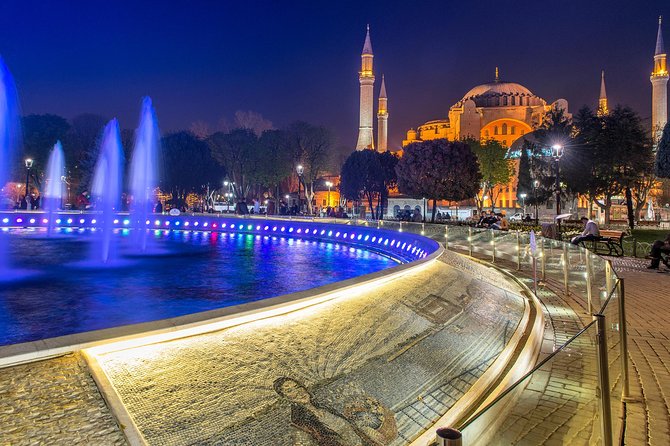
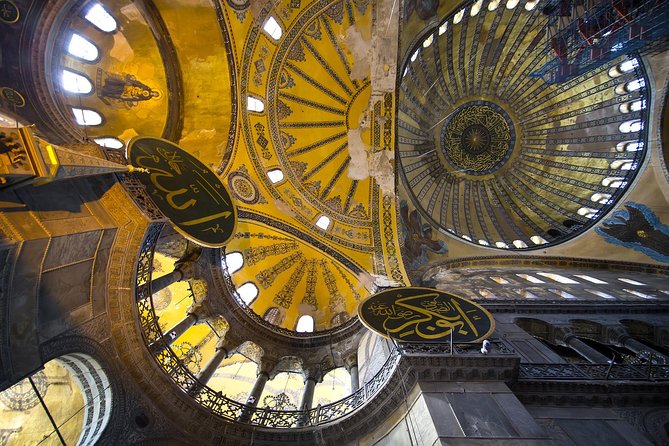
You start at Hagia Sophia Grand Mosque. Plan on buying your own ticket for interior access, since the admission there is listed as not included. Even if you mostly look from outside, the scale alone sets the tone for the entire trip.
Next is the Blue Mosque, where admission is included. You get around 45 minutes, which is usually enough to see the blue tile work from different angles and get a photo without turning it into a long waiting game.
Then comes Topkapi Palace. The tour notes that it is closed on Tuesdays and gets replaced by Basilica Cistern in that case. I appreciate that kind of built-in swap. It prevents a wasted day when the calendar does not cooperate. Just keep in mind the Topkapi admission is listed as not included, so treat it as an extra cost.
You also pass through the Hippodrome, with admission included. This is a great stop for people who love the “objects-in-context” approach. You can spot references like the Obelisk from Egypt, the Serpentine Column from Delphi, and the fountain of Wilhelm II. It is short at 30 minutes, but it connects history across empires fast.
The day ends with the Grand Bazaar, where the admission is free and the time is long enough (about 1.5 hours) to browse without feeling rushed. This is not a “must buy” stop. It is a window into craft, like carpets, jewelry, leather goods, and the kind of souvenirs you can actually use.
Practical note: Istanbul in summer can feel like walking through a warm oven. The tour includes air-conditioned vehicles, but some legs are still on foot, so bring water and a hat.
Ephesus at human speed: Magnesia Gate, Celsus, Mary, and Artemis
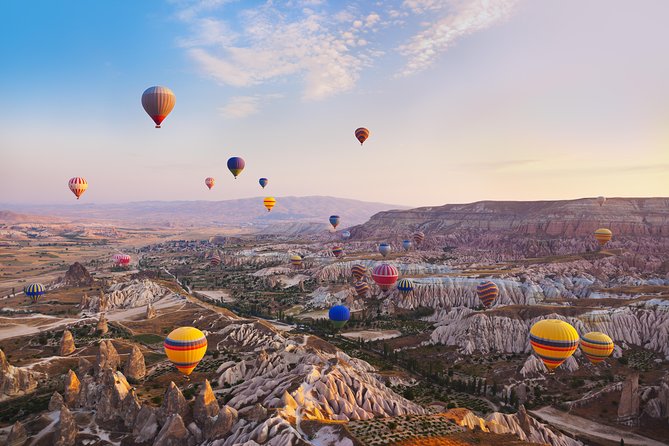
Day 3 is where the trip turns from city sightseeing to ruins with real size and shape.
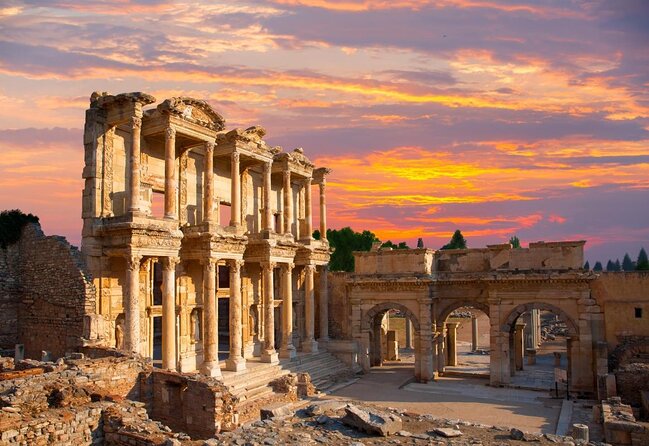
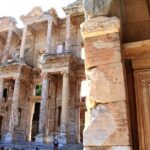
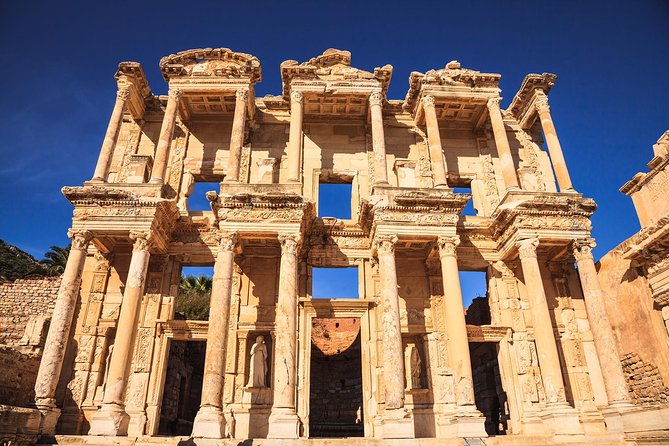
You enter Ephesus through the Magnesia Gate, then you walk downhill at a slow pace with your guide. The key payoff is the sequence of stops you hit along the way: the Odeum, the Celsus Library, the Temple of Hadrian, the Fountain of Trajan, and the Great Theater. You do not get stuck in one photo spot for too long. You keep moving, but you are not sprinting either.
Ephesus admission is listed as not included, so add it to your entrance budget. Still, I like tours like this because the guide helps you read the ruins. Without context, you see stones. With context, you see a whole Roman provincial capital laid out in front of you.
From there you shift from Roman public life to religious tradition with the House of the Virgin Mary. This stop is also listed as not included for admission, and it is more reflective than Ephesus. The notes on this stop connect it to the last days of Mary and the nearby Basilica of St. John, including the idea of St. John spending his later years in the region around Ephesus.
Then you finish with the Temple of Artemis, described as one of the seven wonders of the ancient world. Admission is listed as not included here too. Even if you know the legend, the big win is being in the setting where the story comes from, not just reading about it.
One timing tip: Ephesus is spread out. The tour gives you about 2 hours, so if you have mobility limits, wear good shoes and keep breaks short and frequent.
Hierapolis and Pamukkale: the Cotton Castle travertines and Roman remains
Day 4 is the payoff day for many people: the white travertine look that makes Pamukkale famous.
You visit Hierapolis and Pamukkale together. The notes for this stop mention textile traditions and even a protected rooster, plus religious associations linked to Laodicea. Put those details into the “fun facts” bucket. The real reason you came is the view of the travertines, and the chance to walk in and around the thermal areas.
Admission is listed as not included for both Hierapolis and Pamukkale segments. Still, it is hard to argue against the experience if you enjoy atmospheric places. The tour gives you around 2 hours for the Hierapolis side, plus a separate hour for the thermal pools.
The stop notes emphasize the thermal pools area as a visual feast of travertines, and they also point out what you can see nearby like sarcophaguses and Roman city remains. That mix is what makes this more than just a photo stop. You get both the natural feature and the archaeological context.
Practical comfort tips:
- Bring water shoes or whatever footwear you trust on slippery surfaces.
- Expect sun. You may want a light layer even in warm weather for shade breaks.
- If you are sensitive to crowds, plan to move with your guide early in the timed windows.
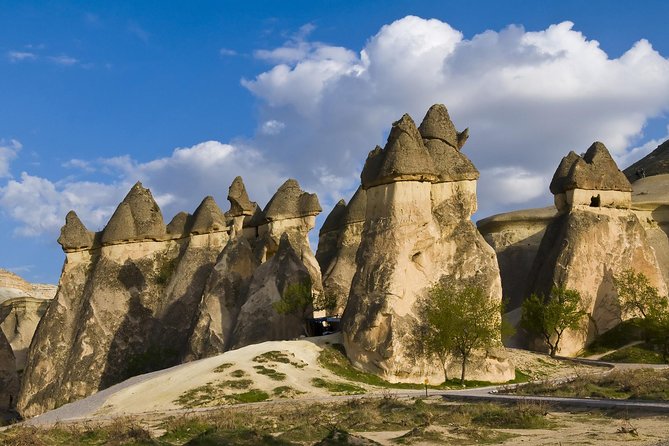
Cappadocia introductions: fairy chimneys, Pasabag shapes, and Avanos pottery
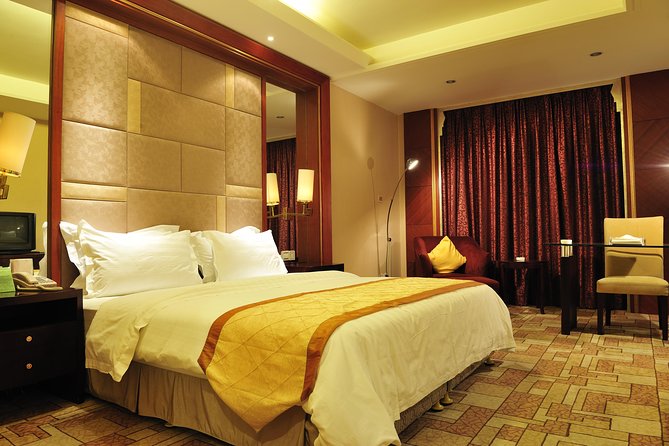
Cappadocia starts on Day 5 with a broad “feel for the area” stop, about 1.5 hours. The tour frames it as a UNESCO site since 1985, covering the central Anatolia region around Avanos and Urgup. That early framing helps when you later see the valleys and understand why Cappadocia is shaped the way it is.
Day 6 is your main valley circuit, and it is built to show you different types of the same iconic rock forms.
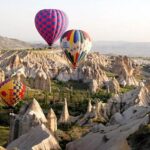
You begin with Devrent Valley, where admission is included. This is one of the places you go to see unique fairy chimney shapes. The goal is not just to spot one chimney, but to notice how the forms vary across the valley.
Next is Pasabag Vadisi for more mushroom-shaped pinnacles. Admission is listed as not included here. Still, this is the sort of stop where your eyes do the work. You can look, compare, and then look again for the smaller formations.
Then you head to Avanos, described as famous for pottery, silk, wool, carpet weaving, and even wine cultivation and agriculture. The time is about 1 hour and the stop notes say admission is free. Even if you do not buy anything, Avanos is useful because it anchors the rock scenery in everyday life. You see how people live in the region rather than treating it like a theme park.
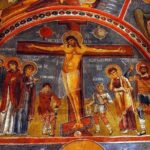
After Avanos, you move into Goreme Tarihi Milli Parki. This is your cave city stop, with a focus on cave churches and early Christian life in caves. Admission is listed as not included. This part is time-rich at about 1.5 hours, and it is the bridge between the “fairy chimney views” and the human story.
You end Day 6 in Uchisar, where the tour notes the “castle” viewpoint and panoramic views. Admission is free in the notes and the time is about 1 hour, which is perfect for photos and a slow finish.


Goreme cave churches and Derinkuyu underground city, plus valley walks
Day 7 keeps the Cappadocia theme going, but with more variety in walking styles.
You start in Red Valley, where admission is included and the time is about 45 minutes. This is a good “mid-morning eyes” stop, where you get a strong set of fairy chimney views without committing to a long hike.
Then you go to Cavusin, described as a longer valley with distinct formations. Admission is listed as free. The purpose here is a quieter pace and a different set of views between Goreme and Uchisar.
After that comes Pigeon Valley, where admission is included and the stop is about 1 hour. The notes emphasize it as a great area for walking, trekking, and hiking. Even if you do not turn it into a big trek, it is useful to have a place on the route designed for motion on foot, not just standing still for pictures.
The day’s most intense historical stop is Derinkuyu YeraltI Sehri, an underground city. Admission is listed as not included, and the time is about 1 hour.
A key warning from real-world experience on this kind of visit: if you are claustrophobic, you should think twice before going into underground spaces. This tour includes that stop, so prepare mentally and physically. You might still enjoy it if you stay comfortable at the entrances and follow your guide’s pacing.
Meals, guides, and group size: where the trip earns value
The tour includes 7 breakfasts and 4 lunches, plus 7 nights in 4-star or high-class boutique hotels. It also includes an air-conditioned vehicle for transfers between stops, and a mobile ticket that keeps things organized.
Hotel choice matters here because you are not just doing day trips. You will sleep in Istanbul for the first nights, then move to the Cappadocia area for the valley days. One review example mentioned hotels in convenient areas and even highlighted a cave-style hotel for its uniqueness. You do not control the hotel for yourself, but you do get the upside of a planned, decent lodging level.
This tour also has a built-in “keep track of everyone” advantage. It is capped at 16 travelers, and the coordination is handled by a named point person for the operator, including a coordinator called Ozgur who organized transfers and stayed available. In Ephesus, guides like Riza are mentioned for patient, professional guiding, and in Cappadocia guides like Ozay are mentioned for a smooth style. You also might see other local guides named Ilkay (Ephesus) and Serkan (South Cappadocia) depending on your exact dates.
One practical heads-up: there are stops that can feel like shopping time, including carpet and jewelry vendors, and snack or ceramics shops. You should not feel trapped. If you have no interest, tell your guide you want to skip those sections so your time stays focused on the places you chose.
Food expectations are worth a quick double-check. The provided package clearly lists breakfast and lunch, but one guest said dinner expectations were not met as described in another version. Your safest move is to confirm your exact meal plan before you go, so you are not surprised on the ground.
Also, timing in Cappadocia can hinge on shuttles and drop-offs. One experience noted that an airport shuttle wait cut time for the Goreme open-air museum. This kind of issue can happen when you share transport with passengers from other groups. If you care about that museum time, ask the coordinator for a clear timeline and build in a little buffer.
Should you book this 8-Day Wonders of Turkey tour?
Book it if you want big Turkey highlights in a tight schedule, and you want the structure of included flights, hotels, and guided days with a max of 16 people. It is a good match for first-timers who prefer clarity over research, especially if you like the idea of UNESCO sites in a single arc.
Skip or reconsider if you dislike paying extra for entrances, because museum and site fees are mostly not included. Also, if you know you are claustrophobic, be cautious about Derinkuyu. Finally, if you want a trip with zero vendor stops and zero heat exposure, plan for some walking in summer and be ready to ask your guide to shorten shopping time.
If you go in with those expectations, this route can feel like a smart shortcut to seeing a lot of Turkey well, without feeling lost for the whole week.
FAQ
What is the price of the 8-day Wonders of Turkey tour?
The price is $1,599.00 per person.
How long is the tour?
It runs for 8 days (approx.).
What is included in the tour price?
Included are 7 nights of accommodation in 4-star or high-class boutique hotels, domestic flight tickets, an air-conditioned vehicle, 7 breakfasts, and 4 lunches.
Are museum and site entrance fees included?
No. Entrance fees to the museums and sites are not included.
Is pickup offered in Istanbul?
Yes. Free pickup is available from all airports in Istanbul, all cruise ship ports, and centrally located hotels in Istanbul.
What language is the tour offered in?
The tour is offered in English.
What is the maximum group size?
The maximum group size is 16 travelers.
Is the tour suitable for everyone physically?
The tour lists moderate physical fitness as the recommended level.
How many breakfasts and lunches are included?
You get 7 breakfasts and 4 lunches.
What is the cancellation policy?
You can cancel for free, and you must cancel up to 24 hours in advance for a full refund.


