
Reviewed · TOURS
Cappadocia, Konya, Pamukkale and Ephesus Tour
Four icons of Turkey, one smooth trip.
This all-inclusive style tour strings together Cappadocia, Konya, Pamukkale, and Ephesus with pickup, transport, and hotel stays handled, so you spend less time planning and more time looking. I like that the schedule moves you efficiently between famous sights, but you still get guided context at each stop instead of just being dropped off. The one thing to keep in mind is that the pace is busy, and not everything is included, like lunch, drinks, and some optional extras.
What I really liked is the trip’s built-in convenience. You get 6 nights of accommodation, breakfast, hotel pickup and drop-off, and a professional guide across the route, plus afternoon tea. That matters on a week like this, because it removes the friction of booking separate hotels, trains, and tickets between regions.
My second big positive is how the experience is set up to be easy for families too. The feedback I saw highlighted that agents made reasonable adjustments for kids, and guides were described as welcoming and English-strong, which makes a difference when you have to keep things moving without chaos. The possible drawback is that you’ll want to budget for additional paid items (hot air balloon, Cleopatra’s thermal pool admission, and lunches), and you should be ready for days that include walking and longer drives.
Key highlights worth knowing
- Private tour setup: only your group participates, so the flow stays calmer than a big mixed crowd.
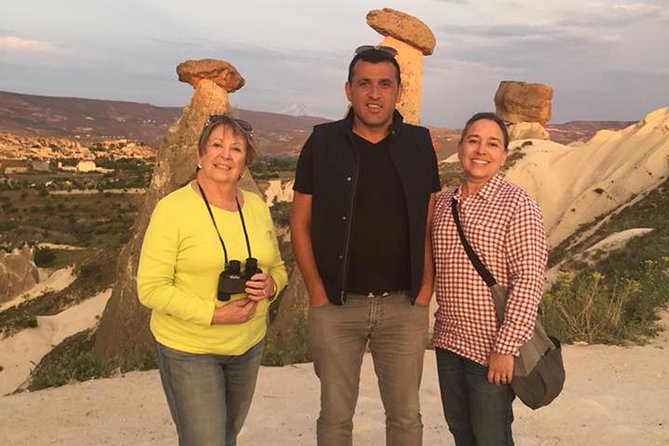
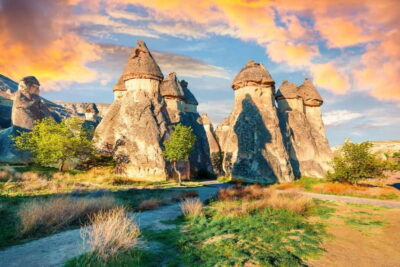
- Cappadocia highlights in one sweep: from Uchisar to Zelve and the famous three-headed fairy chimneys at Pasabag.
- Time-saving transport: private vehicle drives you between regions, including the long jump from Cappadocia to Konya.
- Pamukkale’s mix of natural sights and ruins: red springs, Hierapolis remains, and travertines time to wade and take photos.
- Two big cultural days: Konya with Rumi at Mevlana, then Ephesus plus nearby sacred sites.
- Extra options if you want them: hot air balloon and Cleopatra pool can be added if you’re chasing the wow moments.
How This Private 7-Day Route Works (And Why It’s Worth the Comfort)
This tour works best if you want a “do the classics” week without turning it into a full-time job. You’ll be picked up where you need to be, moved by private vehicle, and guided through major sights across multiple regions. That means fewer logistics headaches, especially when you’re jumping between dramatically different places like Cappadocia’s fairy chimneys and Ephesus’s Roman streets.
The schedule is designed for flow. You start with Cappadocia, then head east and south to Konya, continue to Pamukkale, and finish near Kusadasi and Ephesus. The trip also includes 6 nights of lodging and breakfast, which is a quiet but real value boost. When breakfast is taken care of, it’s easier to keep each day moving without searching for food last minute.
One more practical point: this is a private tour. That can feel like a small detail until you’re on the ground. It tends to make the day feel more flexible in the moment, and it helps a guide pace things better for your group, not a random mix.
You can also read our reviews of more tours and experiences in Goreme.

Cappadocia: Uchisar, Zelve, Pasabag, and the Underground Day That Changes Your Perspective
Cappadocia is where most people first fall for Turkey, and this itinerary covers a lot of the area’s “signature” scenes. You begin with arrival and transfer into Cappadocia itself, then the next days focus on the rock formations, the carved valleys, and the unusual living spaces people built into the geology.
Day 1 and the “arrive and reset” start
After meeting at the airport (Nevşehir or Kayseri), you’re driven to your hotel in Cappadocia. That setup is helpful because the hardest part of travel is often just getting settled. You don’t lose half a day figuring out transport.
Day 2: The fairy chimneys circuit, plus craft stops
Day 2 is packed, but it’s the right kind of packed. You start with Uchisar Castle, perched on the highest point of the region. It’s not just a viewpoint. The castle form includes graves, tunnels, and churches, which gives you a sense of how layered life was in this landscape.
Next comes Zelve Open Air Museum, often a top choice in Cappadocia for people who want to see how the fairy chimneys functioned like architecture. Then you hit Pasabag, the classic spot for the famous three-headed fairy chimneys. Seeing them in person is one thing, but the guide’s explanations help you connect the shapes to how the rock was formed.
After the big scenic stops, the day adds a cultural angle. You visit Bezirhane Culture, Arts and Ceramics Center, where the focus is on clay types used historically around the region. Then you stop at Sentez Avanos Hali – Rug Workshop & Store to understand how carpet patterns can carry meaning. It’s not just shopping time, it’s a chance to see how craft ties to everyday symbols.
You also make a final viewpoint-style stop around Ürgüp, where fairy chimneys with caps create those “family group” shapes the region is known for. The day ends with an onyx-focused visit at an onyx factory in Uchisar, watching how the stone is shaped.
A heads-up here: the craft and production stops can feel like a breather for some people and like shopping pressure for others. If you like learning how materials become objects, you’ll enjoy these breaks. If you prefer pure scenery time, you might treat these stops as “educational pauses” and keep expectations realistic.
Day 3: Göreme views, Derinkuyu Underground City, and Ihlara Valley hiking
Day 3 is where Cappadocia turns from pretty to mind-bending. You start with a Göreme panoramic view, then head toward the underground city and valley scenes.
Derinkuyu Underground City is the star for many people. It started as a way to use the natural deep cold and later became shelter during danger. With clear guiding, it feels less like random tunnels and more like a living system.
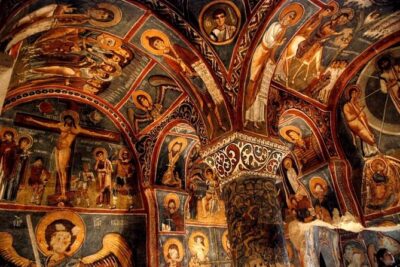
Then you shift gears to nature with Ihlara Valley, where you do about 3.5 km of hiking that lasts around 1 hour 15 minutes. The route runs through a volcanic canyon environment and includes a look at carved churches and painted areas from when Christians lived in parts of the valley. This is a good day for anyone who wants Cappadocia to feel real, not just postcard rock.
You continue to Selime Monastery, which looks like a castle at first but unfolds into a complex of chapels, storages, and cathedral-like space. After that you get a rest stop built into the pacing, then Pigeon Valley where you see carved pigeon houses on the valley slopes.
Finally, you return to the onyx workshop theme at the end of the day, which makes Day 3 feel like it has both the dramatic past and the “how things are made” present.


Konya: Rumi at Mevlana Museum, Ottoman-era stops, and Alaeddin Hill
Once the Cappadocia days are done, the tour drives to Konya. This is a smart change of pace. The scenery becomes more urban and cultural, and you get a completely different lens on Turkey.
You visit Mevlana Museum, including the Tomb of Rumi. This is one of those sights where context matters. Even if you aren’t deeply familiar with the story, the museum setting and pilgrimage significance make the visit feel purposeful. You also see the Ottoman-era Sultan Selim mosque.
After lunch at a traditional Turkish restaurant, you head up to Kultur Park Alaeddin Tepesi. The focal point is Alaaddin Hill and Alaettin Mosque, with minimal remains of a palace area around it. It’s an easier walk day compared to Cappadocia, but still full of meaning.
Then it’s time to drive onward to Pamukkale, setting you up for the thermal and Roman-rubble side of the trip.
Pamukkale and Hierapolis: Red Springs, Cleopatra’s Pool Add-On, and Travertines Time
Pamukkale is often described with water and white stone, and this tour gives you more than one angle on it.
You start with red springs in Karahayit, then enter Hierapolis from the North Gate. The tour moves through key zones including the necropolis, baths and basilica, gates, streets, and the Temple of Apollo area. The value here is that you’re guided across a site that can otherwise feel like a big scatter of ruins. With the story stitched together, it’s easier to understand what you’re looking at.
Then comes one of the most discussed optional experiences: Cleopatra’s Antique Thermal Pool. You do get free time for it, but admission is extra. If you want the classic Pamukkale thermal moment, this is the place to add that cost. If you’d rather spend money elsewhere, the rest of the Hierapolis and travertine sections are still the core payoff.
After that you visit the theatre, then wrap with time near the Travertines, the white calcium pools. You get time to take photos and wade in the water. This is a great moment to slow down and actually enjoy the space. Just plan for wet feet and bring what you need for water time.
The day also includes a late lunch and then you’re dropped back at your hotel, so you’re not left juggling plans at the end of a long outing.
From Kusadasi to Ephesus: Pergamon’s Medical Past and the Roman Capital Walk
After Pamukkale, you drive to Kusadasi, which becomes your base for the final two days.
Pergamon Amphitheater and Asclepion
Day 6 centers on Pergamon Amphitheater, plus the Pergamon Acropolis. You also see Asclepion, described as an ancient hospital and health center, and the related propylaeum of the Temple of Athena. The interesting part here is the shift in what “ancient” means. This isn’t only about spectacle. It’s about how a society treated health and crowds.
You get a full half-day format here, with about 6 hours. That makes the timing a consideration. Wear comfortable shoes, because the ground can be uneven in these older areas.
Meryemana (Mary’s House) and Ephesus proper
Day 7 is a thoughtful start. You go to Meryemana (The House of the Virgin Mary) first. The route includes scenic views, the Temple of Artemis mention along the way, and then a visit to the small house associated with the shrine. It’s not the Roman ruins style, but it adds a spiritual and geographic layer before you hit the biggest archaeological destination of the week.
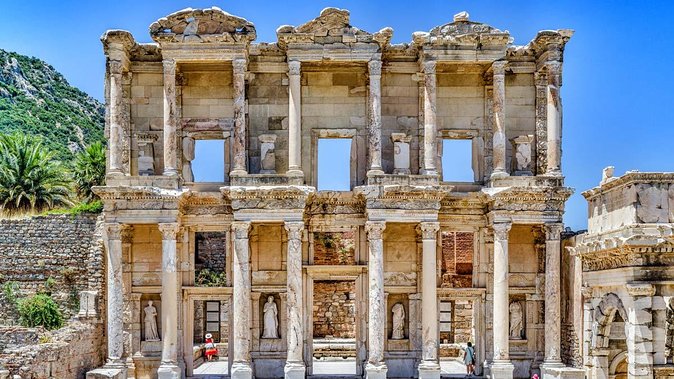
Then you move to Ephesus Museum, and you begin your ancient Ephesus walk from Magnesia Gate, downhill through Roman provincial capital landmarks. The tour guide highlights stops like the Temple of Hadrian, the Trajan Fountain, the Odeon Theater, and the Celsus Library with its imposing façade and two-story Corinthian-style columns.
Finally you reach the Ancient City of Ephesus, including the Great Theater, noted for its capacity to seat around 25,000. It’s amazing for visual scale even if you only spend a short time there.
At the end, you transfer to İzmir airport or Kuşadası bus station, which keeps the wrap-up straightforward. You’re not left searching for your next connection while thinking about your next city.
Price and What Counts as Included (So You Can Judge Real Value)
At $2,315.20 per person for a 7-day trip with about 6 nights of accommodation, the price is high compared to DIY travel. But it’s also not a “you just pay for a guide” situation.
Here’s what you’re paying for that tends to matter on this specific route:
- 6 nights accommodation included
- Private transport by vehicle across long distances
- A professional guide through multiple major sites
- Hotel pickup and drop-off
- Entrance and site fees that include things like National Park fees
- Afternoon tea, plus breakfast (6)
The items not included are also clear, and you should plan around them:
- Lunch and dinner are not included
- Drinks and alcoholic drinks are extra
- Souvenir photos are extra
- The hot air balloon flight is optional and not included
- Cleopatra’s thermal pool admission is extra
When you add it up, the value comes from removing the cost and stress of coordinating transport between distant regions, plus the guide time at big sights. If you were going to hire separate guides or privately arrange transfers anyway, this price can start to feel reasonable for a first-time trip.
Comfort, Pacing, and the Extra Costs to Plan For
This is a schedule built for seeing. That doesn’t mean it’s punishing every hour, but you should expect long days and frequent moving between sites.
A few pacing realities:
- Cappadocia days include multiple stops plus a real hiking segment in Ihlara Valley.
- Pergamon is a 6-hour day, so it’s not a quick photo stop.
- You also have meaningful driving time between regions, like the move to Konya and later to Kusadasi.
Plan for extra spending in two categories:
1) Optional add-ons: hot air balloon and the Cleopatra pool admission.
2) Meals and drinks: lunch and dinner are not included, so budget for eating on your own or following the tour’s suggested restaurant timing.
If you’re traveling as a family, the feedback I saw emphasized how the agency could make reasonable adjustments for kids. That’s a big deal for parents, because it often decides whether a multi-day plan stays fun or turns into constant conflict over pacing and fatigue.
Should You Book This Cappadocia, Konya, Pamukkale, and Ephesus Tour?
Book this if you want a high-coverage Turkey week with minimal logistics stress. It’s a good fit for first-time visitors who want the headline sites, plus people who like guided explanations instead of wandering ruins with a phone and guesswork. If you’re traveling with kids, it also sounds like the operator can make practical adjustments, and guides described as welcoming and fluent help keep the tone positive.
Skip it or think carefully if you hate a structured schedule. This week is designed to move, and you’ll still pay extra for meals and certain experiences. If you’d rather slow down, explore at your own tempo, and build your own mix of sights and rest time, DIY might suit you better.
If you want the basics of Turkey handled for you, this tour aims to do just that, with strong Cappadocia coverage, a Konya day that isn’t just a checkpoint, thermal and Roman ruins in Pamukkale, and a final big finish at Ephesus.
FAQ
Which major places are included on the tour?
The tour covers Cappadocia, Konya, Pamukkale, and Ephesus, with additional stops such as Göreme sights and the nearby Kusadasi area.
Is hotel pickup and drop-off included?
Yes. Hotel pickup and hotel drop-off are included, and you are also picked up from the Cappadocia airport to drive to your hotel in Cappadocia.
How long is the tour and how many nights are included?
It’s approximately 7 days with 6 nights accommodation included.
Are meals like lunch and dinner included?
No. Lunch and dinner are not included, and drinks are also not included.
Are the hot air balloon and Cleopatra’s thermal pool included?
No. Hot air balloon flight is not included, and Cleopatra’s Antique Thermal Pool admission fee is extra.
Is this a private tour or shared with other people?
It is private, meaning only your group participates.
What is the cancellation timeline for a full refund?
You can cancel up to 6 days in advance for a full refund. For a full refund, you must cancel at least 6 full days before the experience start time.
If you want, tell me your travel month and whether you want to add the hot air balloon or Cleopatra’s pool, and I’ll suggest how to budget the extra costs for a smoother week.
More Tours in Goreme


More Tour Reviews in Goreme
Not for you? Here's more nearby things to do in Goreme we have reviewed



Tours, compared.
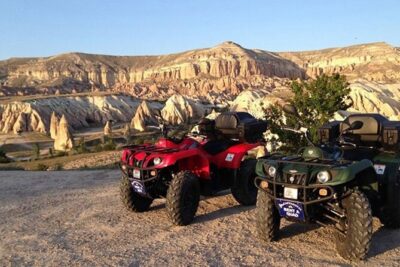 ★ 5.0Cappadocia Sunset ATV TourFrom $182,984 reviews
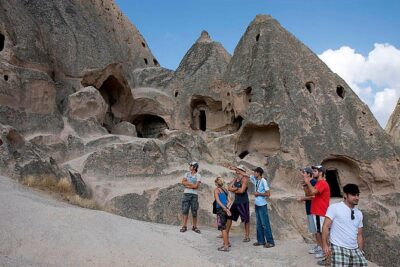 ★ 5.0Green (South) Tour Cappadocia (small group) with lunch and ticketFrom $542,317 reviews
 ★ 4.7Full Day Cappadocia Red and Green Combined Day TourFrom $301,998 reviews
 ★ 5.0Red (North) Tour Cappadocia (small group) with lunch and ticketsFrom $541,975 reviews
 ★ 4.8Sunset or Daytime ATV Adventure TourFrom $51,895 reviews
 ★ 5.0Horseback Riding Adventure TourFrom $181,881 reviews
 ★ 5.0Full Day Cappadocia Tour( Red Tour + Underground City )From $181,862 reviews
 ★ 4.9Horseback Tour with Sunrise and Sunset OptionsFrom $61,755 reviews